
September in Review — Lit Chat, Vol. 12

Housekeeping note: all links go to my Bookshop storefront, where each purchase supports independent bookstores (and this newsletter, because I get a small percentage of each sale).
Hi friends,
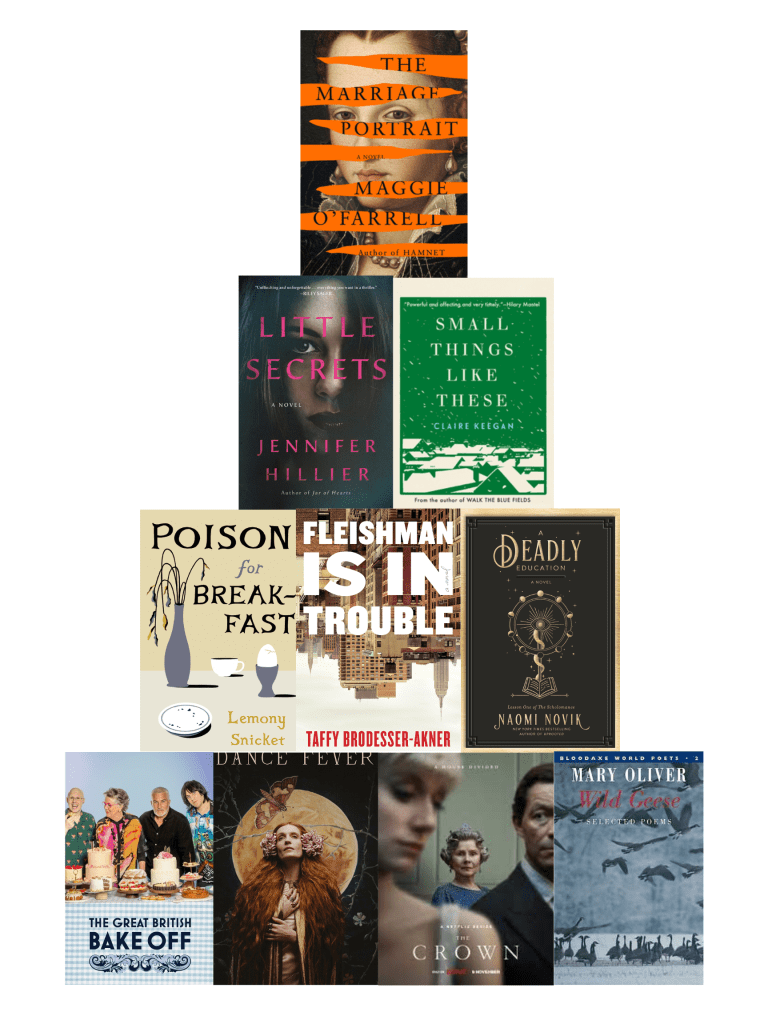
A year ago today, I sent out my very first insanely huge pyramid for the 10(!) books I finished in September 2022. Since then, 60 more books have graced these silly newsletters, for a grand total of 70 books in a year, which is more or less my average Goodreads goal.
These newsletters have become a reading diary of sorts. In looking back at each pyramid, the context of my life at the time of each book comes back vividly: I remember which ones I read on planes and trains, listened to on walks around the neighborhood, or devoured luxuriously on Sunday mornings in bed.
Books have been my faithful companions in a year of uncertainty and upheaval, full of changes and moves, travels and new starts. It’s been a joy and a privilege to intentionally make space for reading in this way, to commit each book further to memory by recording my thoughts for you to read here. Thank you so much for letting me share this journey with you.
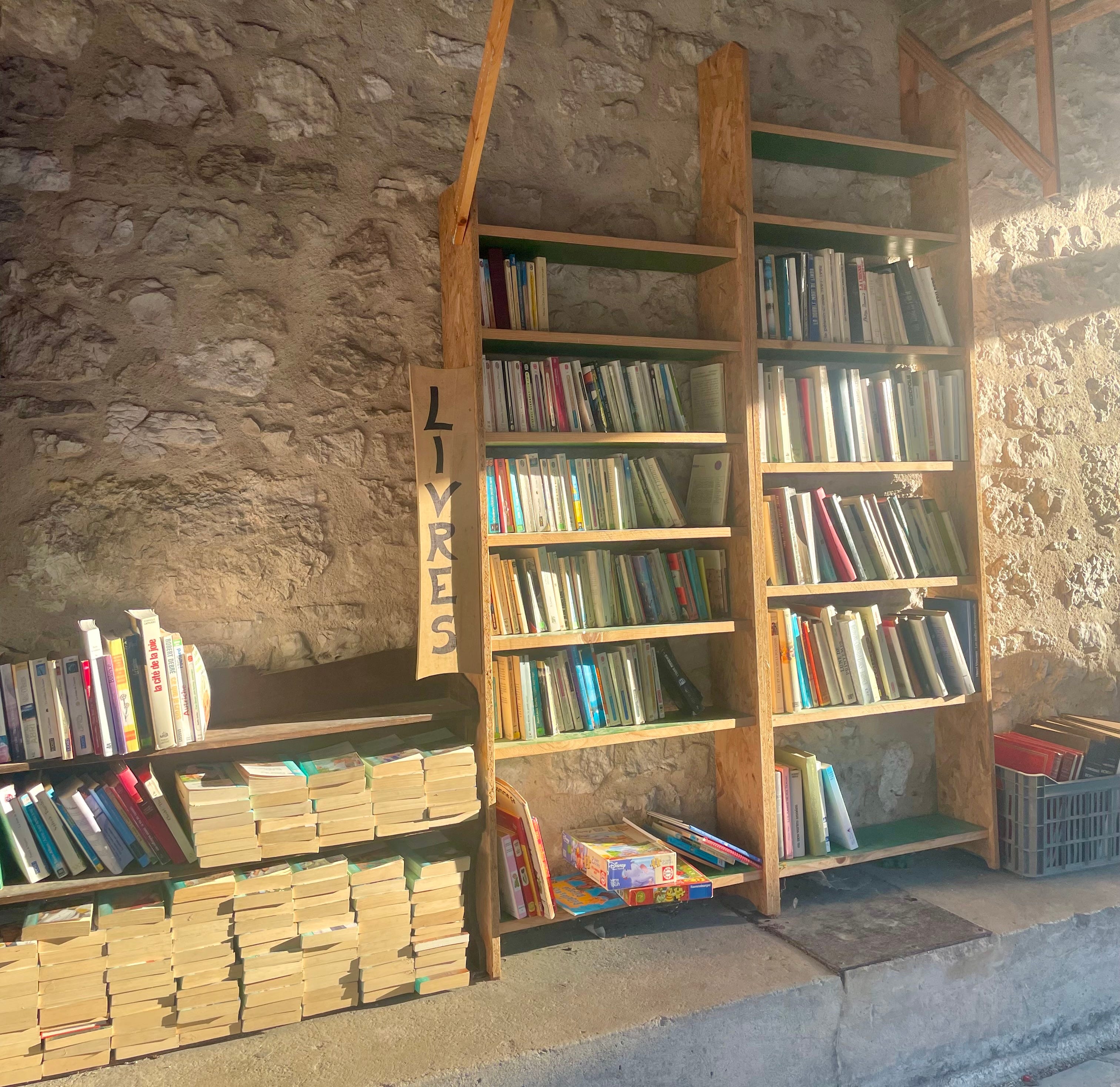
I only finished 4 instead of 10 books in September this year, but one of those books was almost 600 pages, and I also spent a third of the month in a foreign country, so girl math says I probably read closer to 7 books. I also DNF’d (Did Not Finish) two books this month (rare for me!), which those of you on Instagram said you wanted to hear about, so I’ll be including a bit about those as well.
Shall we get started?
THE FOUNDATION:
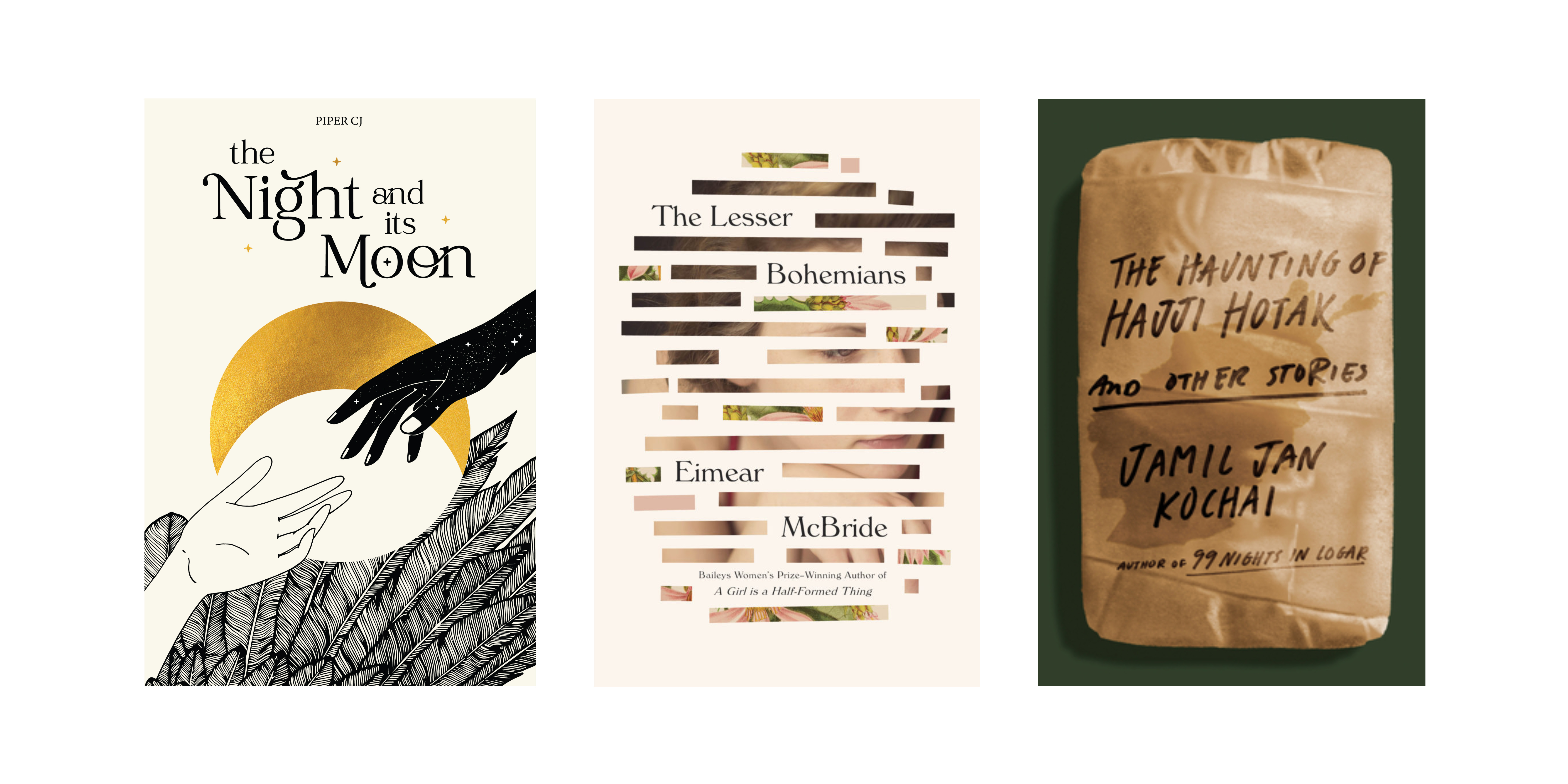
DNF: The Night and Its Moon — Piper CJ
This was a BookTok hype trap that I fell for because I was really craving some escapism, and the prospect of getting lost in a queer fantasy series sounded perfect. Sadly, it wasn’t what I was hoping for. The two main characters from the first 100 pages—orphans Nox and Amaris—had no real goals except “be together,” and even when they were inevitably separated, I still had no idea where the book was going or what the supposedly extensive fantasy world was like apart from some obvious parallels to The Witcher. I wanted to be immersed, but the overly flowery writing style ended up just putting me to sleep on the plane to Portugal. Would love to know if anyone’s read this and thinks it’s worth picking back up!
DNF: The Lesser Bohemians — Eimear McBride
To be fair, I think the narration of this audiobook is absolutely gorgeous, read by the author whose Irish lilt is naturally hypnotic. Unfortunately, that was exactly the problem; its rhythmic lyricism kept putting me to sleep, despite the fact that its plot revolves almost entirely around the sexual awakening of a young Irish drama student in London who meets a much older semi-famous actor. I suspect this would actually be quite a fast read if I had a physical copy, but it took me four months to get through four audiobook hours (out of eleven), and I got tired of trying to remember what was happening in the plot outside of the bedroom every time I nodded off mid-sex scene. I’d consider coming back to this in print, but I’m not in any particular hurry to do so.
The Haunting of Hajji Hotak and Other Stories — Jamil Jan Kochai
Every once in a while, there’s a book that reminds me just how small my worldview is by taking me to a place/culture/time in history that I realize I know very little about. I’ve read countless books about New York City or the English countryside, but I’m embarrassed to admit that The Kite Runner is probably the only other book I’ve ever read about Afghanistan until now. Many of the stories in this prize-winning collection follow members of the same extended family, moving between the Afghanistan of memory and family lore to that of the war-torn present day, and overseas to the Afghan diaspora in the United States. Some stories feel folkloric and timeless, while others tend towards a violent kind of magical realism to explore the contemporary consequences of war and conflict. There are moments of humor and levity combined with moments of profound grief and loss, weaving together a portrait of a rich culture and history so often obscured by stereotypes and prejudice in our news at home.
SOLID SUPPORTS:
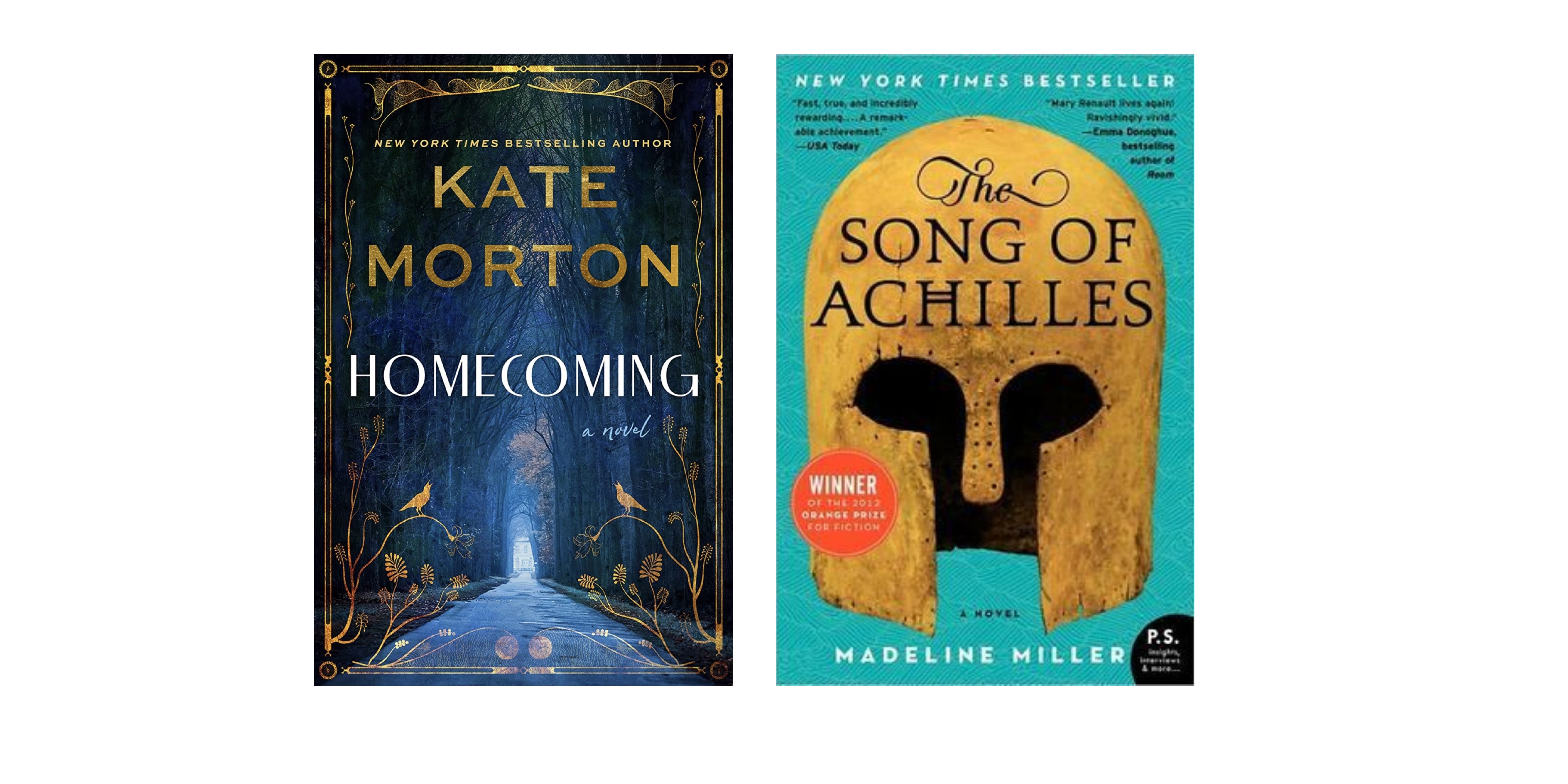
Homecoming — Kate Morton
I’ve loved Kate Morton’s books since high school because they tend to tick all of my readerly boxes: they all feature stately manor homes (characters in their own right) in small countryside towns that serve as a backdrop against secrets, family dramas, and historical intrigue. Homecoming follows Jess, an ex-pat journalist living in London who returns to Australia when the grandmother who raised her becomes hospitalized. While home, she begins to piece together long-buried family secrets about the mysterious deaths of her grandmother’s sister-in-law and her children, and the story alternates between Jess’s investigation and the text of a contemporary true-crime novel written about the deaths. I read this 550+ pager on the couch during a rainy week stuck inside with a cold, which couldn’t have been a more perfect reading environment. It sags a little in the middle, but if you think you’ve got it figured out, you’re wrong—the series of twists in the last 100 pages more than makes up for the time it takes to get there.
The Song of Achilles — Madeline Miller
I was craving the fantastical and landed on the mythological, which turned out to be exactly what I needed. Narrated by Patroclus, Achilles’ closest companion and lover, The Song of Achilles brings the epic tale of Achilles’ life and role in the Trojan War back down to Earth with the kind of tenderness and intimacy that only a mortal in love could achieve. Miller’s writing is so conservatively evocative—no superfluous words are needed to bring this familiar story to life with vivid precision, clarity, and heart-wrenching vulnerability. I think I ultimately prefer Circe just because of the immanent sadness of this story, but both are must-reads for anyone remotely interested in Greek mythology (grown-up Percy Jackson fans, I’m talking to you!). There’s a reason these stories and characters have persisted as long as they have and are still being told: they’re compelling, tragic, inspiring, and at the end of the day, divinely human.
THE TIPPY TOP:
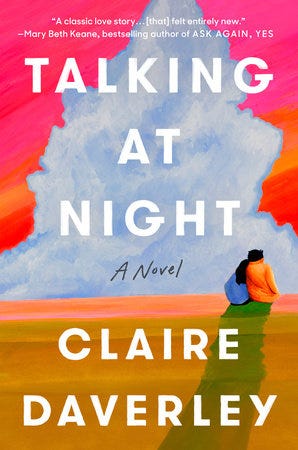
Talking at Night — Claire Daverley
This book might be benefitting from the romanticization of having been started on a Portuguese beach and then finished in one sitting on my flight back home, but it’s also the closest I’ve found to a Sally Rooney-level of yearning in a long time, and you guys know how much I love to yearn!!
Rosie and Will meet as teenagers and are complete opposites: Rosie is a gifted musician with a regimented, no-nonsense plan for her future success. Will has a dark past of secret shames and addictions, and his only future plans are to travel the world. They’re drawn to each other until a shocking death in Rosie’s family shatters their lives irrevocably, and yet even through years of separation, denial, and other more-or-less fulfilling relationships, they can’t quite let each other go. What stayed with me most about this book was how genuinely it portrayed the way relationships can unexpectedly evolve, and how the smallest decisions and briefest conversations can somehow accumulate to create an entirely different life for yourself than the one you imagined when you were a teenager, never realizing in the moment that that’s what happening.
Talking at Night is a love story at its core, but it also tackles grief, mental health, addiction, and illness with frankness and compassion, and made me absolutely lose it on the plane (although I admit to always crying easier on planes). If you’re a hopeless water sign who loves to yearn, you will love this. If Normal People made you want to bash your head into the wall (but in a good way), then go ahead and let Claire Daverley break your heart and put it back together again, as a little treat.
Thanks for reading with me for a whole year!! I’m off to have a celebratory mini cupcake, but if you’d like to chat some more or want to give me a spooky rec for October, you know where to find me (comments/emails/DMs/call me/beep me/etc).
Until next time, happy reading!
❤ Catherine













 Catherine Thoms