A burst of hopeful color

January in Review — Lit Chat Vol. 23

Pyramid of book cover images with Orbital by Samantha Harvey on the top, The Writing Life by Annie Dillard and Wednesday's Child by Yiyun Li in the middle, and The Hobbit by J.R.R. Tolkien, A Court of Silver Flames by Sarah J. Maas, and Conclave by Robert Harris on the bottom.

Hi friends,

At the first Reading Club meeting of 2025 a few weeks ago, I asked everyone to come ready to chat about their reading goals for the year. These included setting and reaching a Goodreads goal, reading more widely in specific genres, using the library more, and falling back in love with reading. It was delightful and inspiring.

I asked because one of my goals for 2025 is to be more intentional about what I read. I’ve always been more of a vibey reader, choosing whatever sounds good to me in the moment based on the weather, whatever else is going on in my life, or what people on the Internet are talking about. This year, though, I’m trying to treat my reading as part of a self-imposed curriculum, of sorts. A soft syllabus, if you will. As such, some of my reading goals for the year are:

  • read 6 poetry collections
  • read 6 short story collections
  • read 6 craft/writing books
  • read 4 books in translation
  • read Emily Wilson’s translation of The Iliad, which I bought last year in gorgeous expensive hardcover because it was signed and gorgeous
  • read In Search of Lost Time (Proust book club, anyone??? serious inquiries only)

Last year, I read 53 books. So if I hit all of these, that’s about half of my average annual reading, which means there’s still plenty of time left for vibes. I’m hoping that being more intentional about mixing up my reading from my typical diet of contemporary fiction will add more depth and breadth to my intellectual life and help me to be a more well-rounded reader, writer, and thinker.
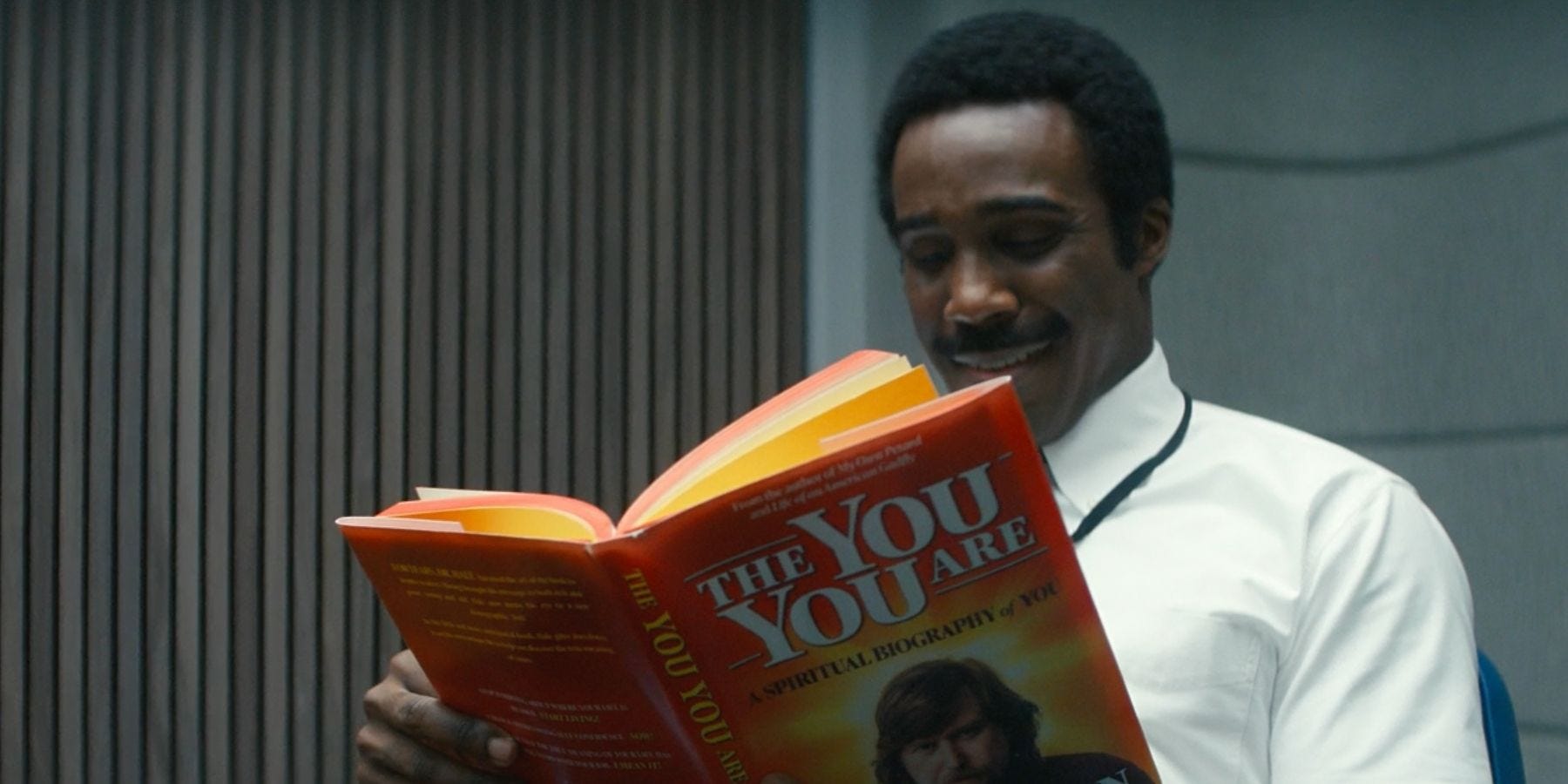
Still from Severance: Mr. Milchick reading The You You Are
me, a more well-rounded reader, writer, and thinker

January was a strong start, and I’ve already crossed two books off my soft syllabus! Before we dive in, a reminder as always that you can get this directly in your inbox by subscribing to my Substack.

Okay moving on! Let’s take a look at January:


THE FOUNDATION:
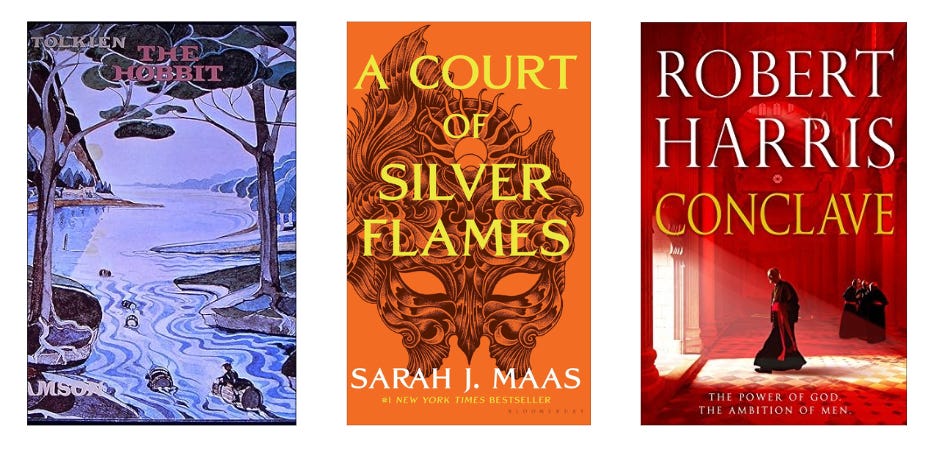
The Hobbit — J.R.R. Tolkien, narrated by Nicol Williamson

Phillip found a retired library copy of The Hobbit on vinyl a few years ago, which is an abridged version from 1974 narrated by British actor Nicol Williamson. We put this on while working on a 3,000 piece puzzle of a fantasy scene over the long weekend, and honestly, it slapped. In lieu of a Bookshop page, I’ve linked to the first hour on YouTube.
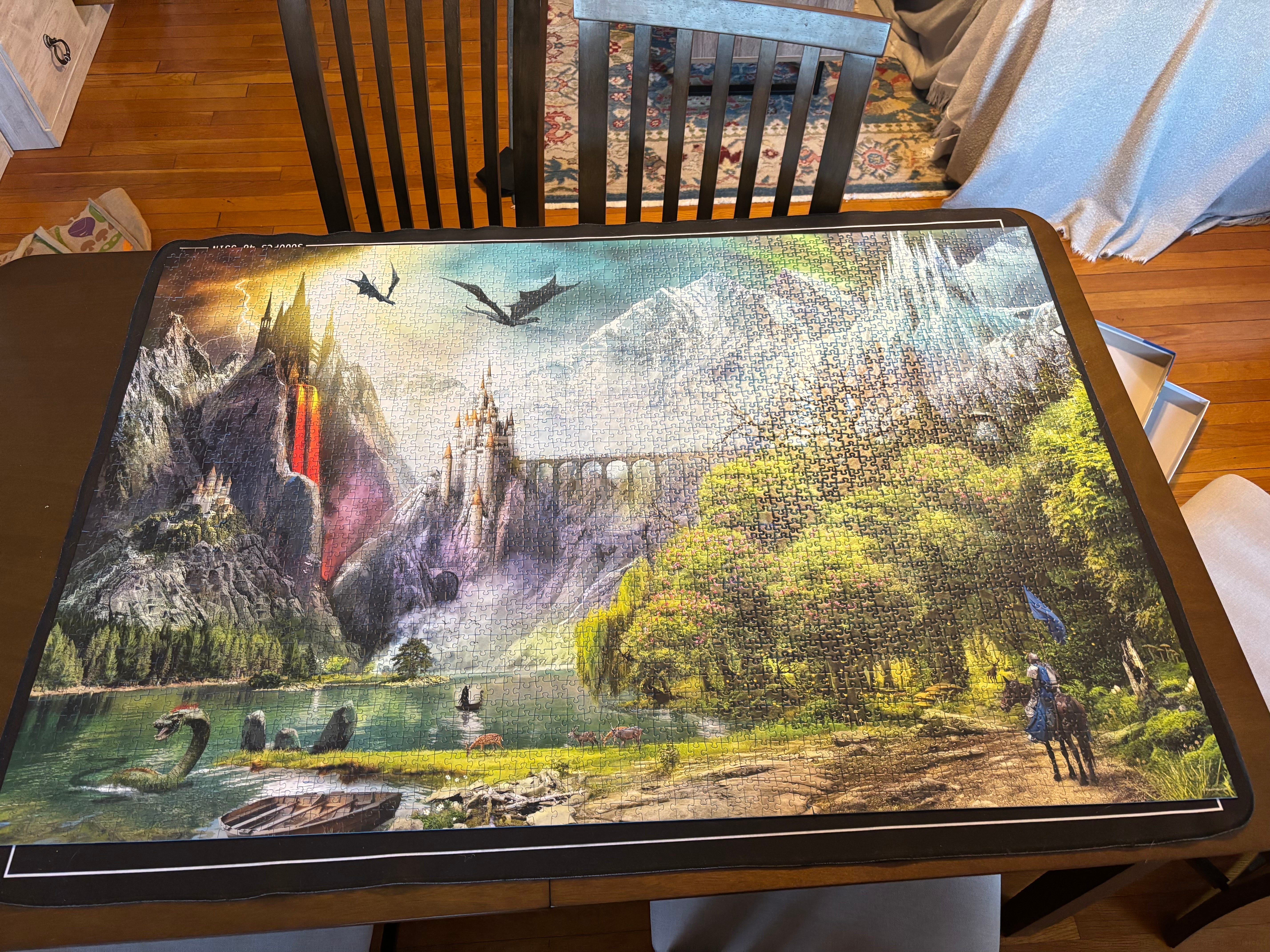
3,000 piece puzzle of a fantasy scene, with a rider on horseback at the base of a mountain path to a castle with dragons in the air and a sea monster in the water.
in all her glory

Williamson’s narration was accompanied by a score of medieval-inspired music, which perfectly complemented our heroes’ journey and all the quirky little voices he did for each character. I’d read the full-length book as a kid and remembered very little, so this abridged version was perfect for hitting the highlights while my brain stayed busy doing something crafty. 10/10 a lovely way to spend a long weekend.

A Court of Silver Flames — Sarah J. Maas

At this point, I’ve accepted the fact that I will most likely devour all of Maas’s books within the next year or so. While not my favorite of the ACOTAR series, I came to appreciate the change in perspective for this latest installment: told from Nesta’s POV instead of Feyre’s, ACOSF centers Nesta working through her trauma from the war with Hybern by training her body and mind. This is definitely the smuttiest book of the series, which would be totally fine if it weren’t almost 800 (!!) pages. Like, girl, at a certain point (past 300 pages), we simply need to get out of bed and go fight the evil queen for the sake of moving this damn plot along. I should note that this lack of momentum did not keep me from devouring all ~800 pages—for the plot, obviously.

Conclave — Robert Harris

This was another audiobook I listened to while working on the giant puzzle (I got AirPods for Christmas and am into audiobooks again, in case you were wondering), and I found it surprisingly riveting! I have not yet seen the movie, but from what I’ve heard, it’s more or less a faithful adaptation (pun absolutely intended). Having been raised Catholic, there will always be a part of me that finds the mystery and pageantry of the Vatican absolutely fascinating, and what better environment to put it on display than the papal conclave? It’s the perfect microcosm for examining the mortal experiences of ambition, doubt, and faith under one divine and historic roof. Like everyone, I have some thoughts on the ending, but all in all, would recommend listening as a backdrop to another manual project like a puzzle or folding laundry.


SOLID SUPPORTS:
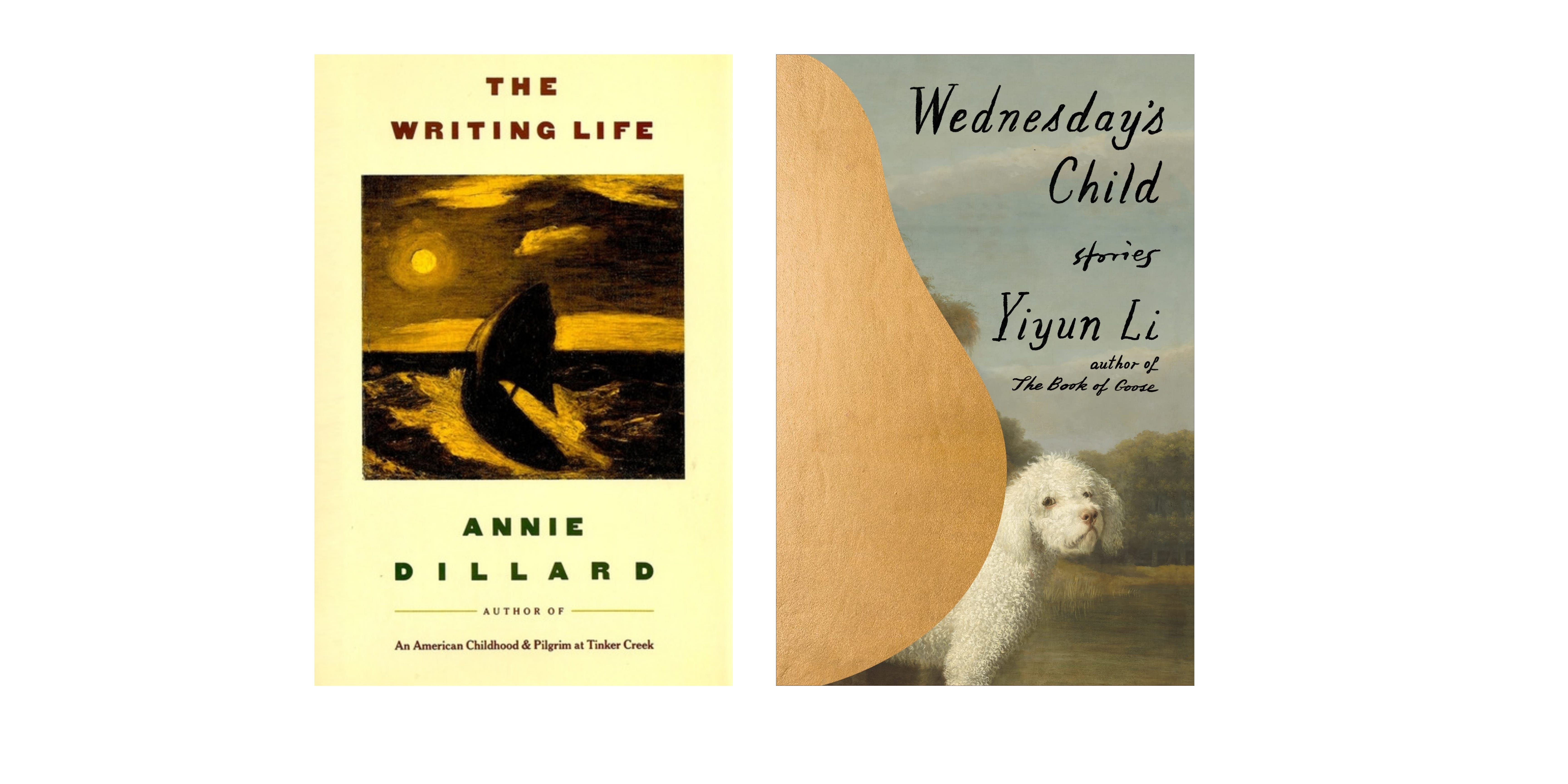
Book covers for The Writing Life by Annie Dillard and Wednesday's Child by Yiyun Li

The Writing Life — Annie Dillard

Kicking off my 2025 goal to read more craft books, I started the year with The Writing Life, which was a gift from my sweet friend El. I think I come to every book about writing with a secret hope that I will find all the answers to all my problems inside, which is never the case but it is always a step in the right direction. I was actually introduced to Dillard not through her own writing, but through a chapter in Alexander Chee’s How to Write an Autobiographical Novel, in which he recounts being one of her students at Wesleyan University.

Dillard comes across just as sharp, funny, and wise in her own book as she does in Chee’s memory. The Writing Life is both prescriptive and illustrative: she not only delivers the essentials of living a writerly life—e.g., the importance of carving out time and space for your work every day, and of not hoarding your best material for later—but also uses her own routines and experiences as an example. This book has found a place on my esteemed over-the-desk bookshelf of favorites, and I’m inclined to follow in El’s footsteps and pick up the next copy I see out in the world so I have an extra on hand to give to a friend who needs it.

Wednesday’s Child — Yiyun Li

Another gift, and another story collection to cross off my 2025 list! Wednesday’s Child was a holiday gift from the lovely Nina, after I mentioned how much I’d enjoyed Li’s 2022 novel, The Book of Goose. The stories from this collection were sourced from over a decade of published short fiction, all of which center Asian or Asian-American main characters grappling with themes of love and loss, the passage of time, and the conflicting desires of wanting to live a memorable life versus a life that leaves no trace. One poignant, recurring subject was grief over the death of a child by suicide, which I learned later is something that Li has tragically experienced firsthand.

Knowing that this collection draws from over a decade of writing made the recurring themes that much more striking, as a testimony to the emotions that cut a writer deeply enough to want to continue exploring them through multiple different characters and situations throughout her life. The significant absences and the lingering impact of past decisions color the way the stories are both written and received; even when they’re not the main focus, you feel their impact in the intensity of brief, tender moments that burst through the characters’ otherwise unsentimental lives. Li also has a knack for writing last lines that hit you right in the gut, ensuring you stay thinking about even the shortest stories for long after you’ve finished.


THE TIPPY TOP:
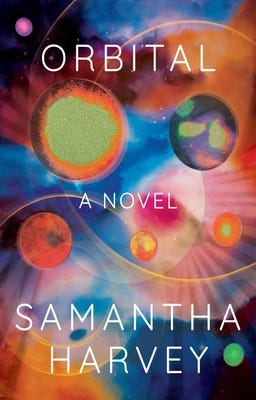
Book cover image for Orbital by Samantha Harvey

Orbital — Samantha Harvey

Gorgeous cover aside, I found this book’s depiction of astronauts orbiting the Earth just as mesmerizing as their descriptions of looking down at our planet from two hundred and fifty miles into space. Orbital profiles six astronauts from all over the world, living and working on the International Space Station. In one of their waking days, they orbit the Earth sixteen times, which poses fascinating questions about the passage of time and the distance between themselves and the lives they left behind. During their time in space, the characters grieve family members and relationships, monitor the growth of a major storm system, struggle to maintain communications with loved ones and the outside world, and make discoveries about what the human body and mind can withstand when so far removed from everything that gives our lives a sense of normalcy, comfort, and belonging.

One of my longer-running childhood aspirations was to become an astronaut (somehow, that was my takeaway from Apollo 13??). Though this book made it abundantly clear that I could never have hacked it from a physical standpoint, if not a scientific one, there was still a tiny part of me that felt, well, jealous. It’s a little devastating to be reminded that I will most likely never experience this level of objectively awe-inspiring beauty, peace, and perspective in my lifetime, even though I have no desire to leave my friends, family, and all my earthly comforts behind for nine months at a time.

And yet, Harvey—notably, not an astronaut—conveys the emotional truth of this experience in a way that makes the unreachability of life in space accessible and unforgettable, by grounding the astronauts’ days in the physical sensations of their bodies, their familiar hungers and dreams. What struck me above all was each character’s deep gratitude and appreciation for being there, how once acclimated, they find themselves almost unable to imagine a life outside of the Space Station, in all its strangeness. This book was a special reminder of why we read: to vicariously experience what we will never experience for ourselves in this life. To watch through someone else’s eyes as the world moves from light into darkness and back into light again, all the other trivialities of humanity falling away, and to come away from this journey with extra gratitude for the lives we do lead.


That’s a wrap on January! Do you have any reading goals for the year? Any recommendations for short story or poetry collections to cross off my list? If you do, I’d love to hear it! And if you’re interested in joining us IRL for the next Reading Club meeting in March, let me know and I’ll add you to the email list.

Until next time, happy reading!
❤ Catherine


Housekeeping note: all book links go to my Bookshop storefront, where each purchase supports independent bookstores (and this newsletter, because I get a small percentage of each sale).
You think love is so simple?

November in Review — Lit Chat, Vol. 14

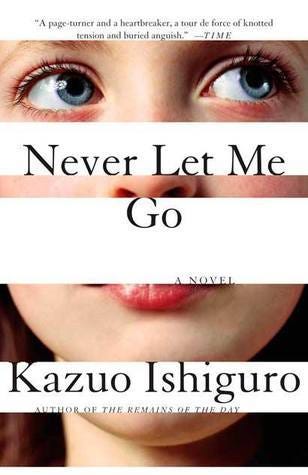
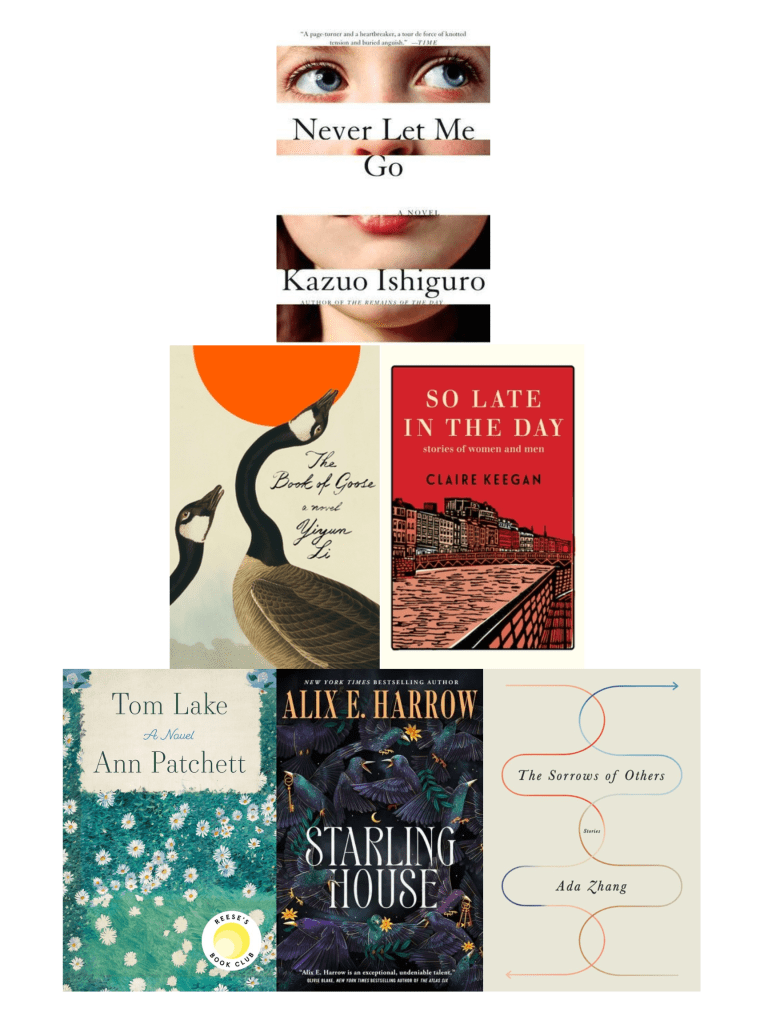
Pyramid of book cover images with Never Let Me Go by Kazuo Ishiguro on top, The Book of Goose by Yiyun Li and So Late in the Day by Claire Keegan in the middle, and Tom Lake by Ann Patchett, Starling House by Alix E. Harrow, and The Sorrows of Others by Ada Zhang on the bottom.

Housekeeping note: all links go to my Bookshop storefront, where each purchase supports independent bookstores (and this newsletter, because I get a small percentage of each sale). Buy your holiday gifts through Bookshop!!

Hi friends,

We made it to December! For me, this means that my brain has started craving hibernation mode: I don’t want to work, or think, or move my body any further than from the bedroom to the kitchen and back. I want to sleep in and eat grilled cheese and play Stardew Valley on the couch under a pile of blankets.

I’m even feeling lazy about reading: I’m nowhere near my original lofty Goodreads goal of 72 books in a year, so I’ve decided that I’m going to take December to indulge in the last 600 pages of the Outlander book I’ve been reading off and on since October. If I finish it and get around to something else this month, great! If not, I will simply enjoy the all-plot-no-thoughts vibes for as long as they last.

However! To atone for this laziness, I’ve decided to do a little end-of-year bracket, pitting the top books from each month against each other to see which one will officially be crowned my favorite book of the year. Start placing your bets now, folks! You’ll be hearing from me a bit more often in the coming weeks as I work through my completely subjective rankings.

One final housekeeping note for my local friends: I’m thinking of starting an informal reading club in the new year, where instead of all reading the same book at a time, everyone just brings one book/story/poem/article they’ve read and loved recently and we all take a turn to show and tell while eating snacks/drinking wine. If that sounds like fun and you’re in the NYC area, reach out!

Okay, okay, before we get too far ahead of ourselves, we still have November to discuss. Let’s get into it.


THE FOUNDATION:

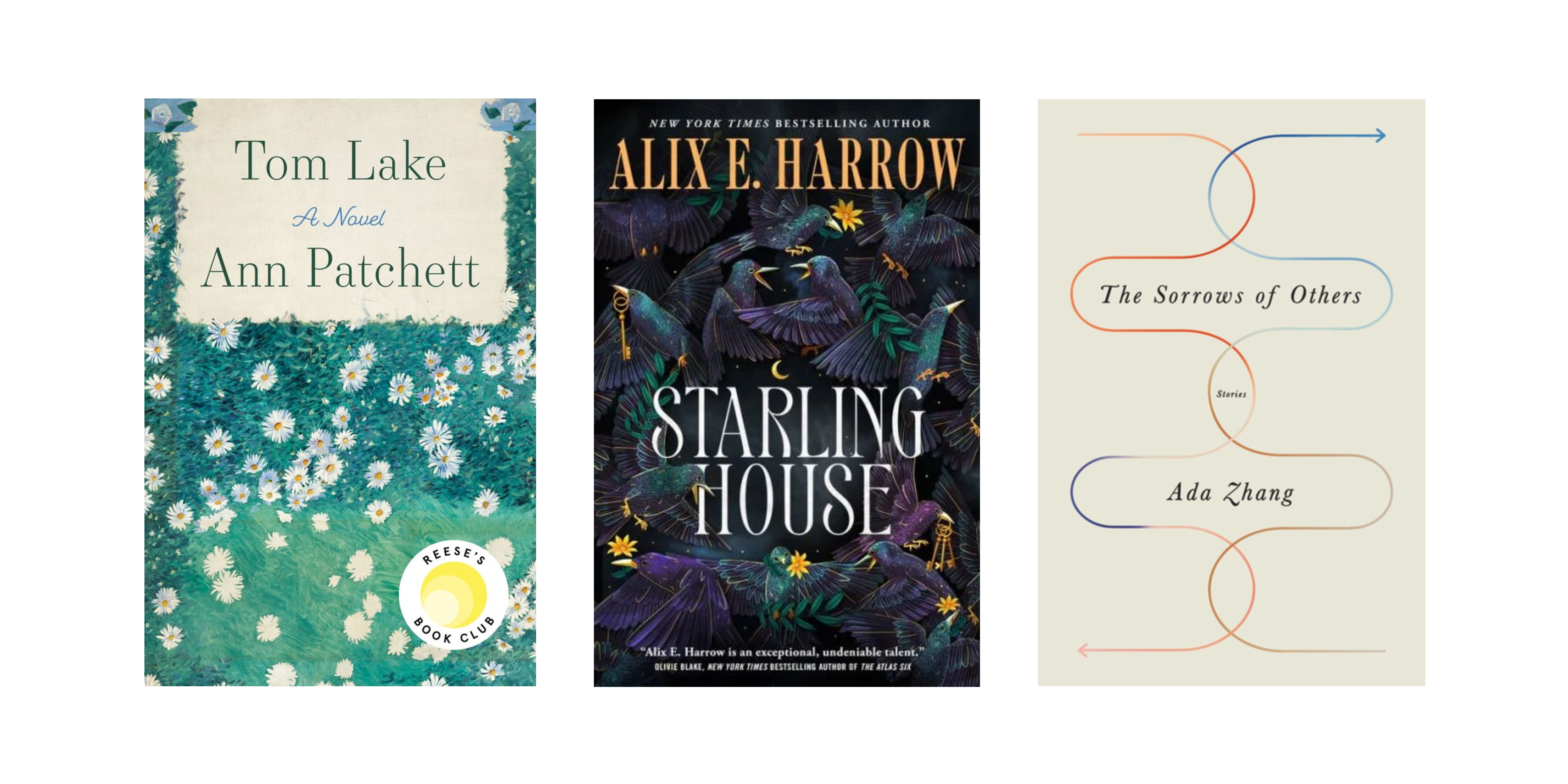
Book cover images for Tom Lake by Ann Patchett, Starling House by Alix E. Harrow, and The Sorrows of Others by Ada Zhang

Tom Lake — Ann Patchett

My first Ann Patchett, and I think my first official Covid-19 novel? Tom Lake is the name of the summer stock theater where young actress Lara Kenison falls for soon-to-be movie star, Peter Duke. Decades later, Lara is now retelling this story to her three adult daughters, who have all come home to help work their family’s Michigan cherry farm during the pandemic. The escapism of a nostalgic summer fling works to soothe the pandemic-related anxieties of both reader and characters, but personally, I realized I’m not quite ready to revisit this time in fiction just yet. That said, I think a lot of the moms in my life will relate to Lara’s conflicted happiness over having her family all unexpectedly under one roof again. A good book club book; Reese is onto something here!

Starling House — Alix E. Harrow

Regular readers of this newsletter know that I am simply a sucker for a mysterious, potentially magical old house! In this case, Starling House is the historic home of an eccentric children’s book author, whose eerie stories of a realm called Underland have fascinated orphan Opal McCoy since childhood. When Opal gets offered a job as a cleaner at the now derelict Starling House, it’s more than just an opportunity to support herself and her teenage brother in an unfriendly and unlucky Rust Belt town; it’s the answer to a calling she’s felt her entire life. Throw in a brooding love interest, a cursed family of greedy oligarchs, and a shady corporate antagonist, and you’ve got a perfectly vibey, gothic mystery to curl up with on the couch this winter.

The Sorrows of Others — Ada Zhang

I was first introduced to this collection when I read “Julia” in Electric Lit’s Recommended Reading, a barbed yet beautiful story about a woman preparing to leave the city and reflecting on the breakdown of a once-treasured friendship. I was initially drawn in by Zhang’s emotional precision, particularly the spot-on representation of the grief that comes from reckoning with the past selves you’ve outgrown. This reckoning is a recurrent theme in Zhang’s debut collection, which hops between China and America to feature the tangled stories of immigrants and the children of immigrants: husbands and wives, mothers and daughters, sisters and granddaughters, each of them struggling to reconcile their sense of self against their needs and desires and those of their families. “Julia” is a fantastic entry point to Zhang’s work, but the entire collection is one to be savored, each story sharper and more poignant than the last.


SOLID SUPPORTS:

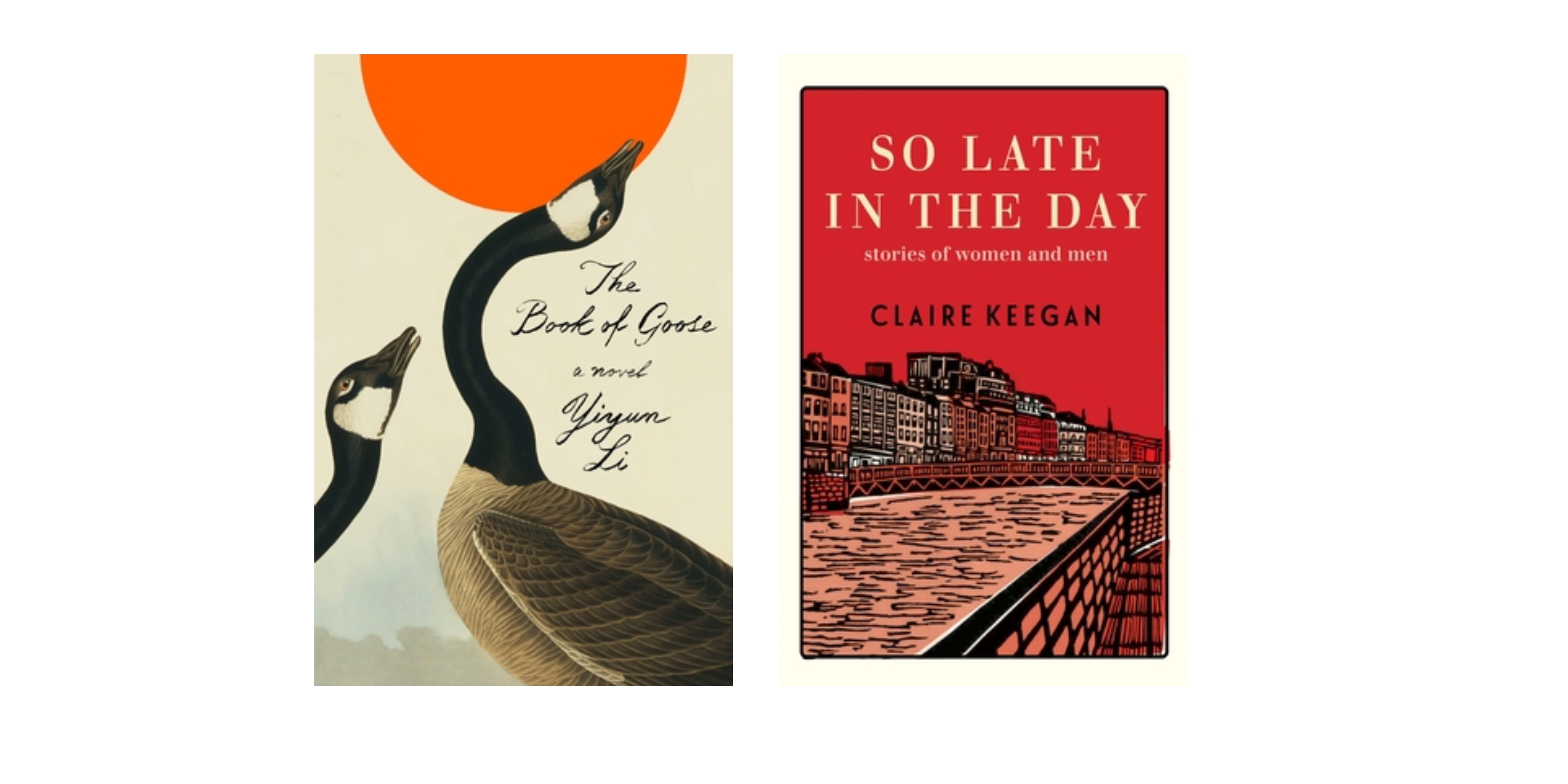
Book cover images for The Book of Goose by Yiyun Li and So Late in the Day by Claire Keegan

The Book of Goose — Yiyun Li

This is a little weirdo of a book, but one that I thoroughly enjoyed. In a small provincial town in the post-war French countryside, childhood best friends Fabienne and Agnès decide to play at writing a book together inspired by their lives. With Fabienne as the creative mastermind, Agnès’s name on the cover, and a little help from the local postman, the book captivates the French literary world—catapulting an unprepared Agnès into the spotlight.

It sounds so much simpler than it is. The narrative is told in the present day by Agnès, now an adult living in America, who feels free to tell her story in her own words only after learning that Fabienne has died in childbirth. Even then, the voice of Fabienne’s ghost is ever-present in Agnès’s mind. The Book of Goose is an intricate portrait of female friendship and an insightful exploration of fame, power, influence, and the fleeting nature of it all. @CB, you have redeemed yourself with this rec!

So Late in the Day — Claire Keegan

I read Claire Keegan’s Small Things Like These around the same time last year, and I’m thinking of making reading her work something of a seasonal tradition. This slim little volume is a compilation of three previously published short stories: the first, about a man on his would-be wedding day, reflecting on where he went wrong; the second, about a woman on a writing retreat forced to host an unwelcome guest; and the third, about a married woman who decides to have sex with a stranger and gets far more than she bargained for.

I really wrestled with whether or not to give this one the top spot because the last story in particular, “Antarctica,” has positively haunted me. The other two stories are masterful, don’t get me wrong, but “Antarctica” is a whole masterclass in character, pacing, and atmosphere. I’m obsessed with the way Keegan lulls you into a false sense of security alongside the protagonist, denying the instinctual sense of dread steadily creeping in around the edges until the danger becomes chillingly obvious. A week later, it still gives me shivers just thinking about it.


THE TIPPY TOP:

Book cover image for Never Let Me Go by Kazuo Ishiguro

Never Let Me Go — Kazuo Ishiguro

Surprise, surprise, the Nobel Prize winner comes out on top! As I said, it was a real struggle between this and So Late in the Day, but ultimately, this one has managed to haunt me longer and more completely as a novel rather than a single story in a collection.

Most of Never Let Me Go takes place at Hailsham, a seemingly idyllic English boarding school where its students are cloistered from the broader world while learning everything they will need to one day go out into it as (organ) “donors.” Kath, a former student, narrates the book as an adult reflecting on her childhood while she cares for other donors in preparation for becoming one herself.

What struck me the most about this book is not the ultimate revelation, unsettling as it is (no spoilers!), but how successfully Ishiguro manages to shield us from the disturbing truth for as long as he does. In this way, we are as sheltered as the Hailsham students—we always know there is more to this story, something that likely has broader and more sinister implications for our understanding of this alternate future, but it feels so far removed from the routine of daily life at Hailsham and the intimacies of Kath’s relationships with the other students that you can easily bury the niggling suspicion that something is not quite right.

For such a quiet book, it’s a fairly scathing take on how easily society can become inured to human rights abuses when those being abused are perceived as less than or unhuman, especially when this abuse becomes accepted as the norm. (Sound familiar? It should.) Never Let Me Go was published in 2005, and yet Ishiguro’s warning to society is as timely as ever. He offers no panacea to Kath’s and the other students/donors’ plight, but he does force the reader to bear witness, with full knowledge of the wrong that is being done. It’s up to us to decide at what point we look away.


All right friends, that’s all for today! If you need me, I’ll be in Revolutionary War-era America with Jamie Fraser for the foreseeable future, so don’t call or text (unless it’s to talk about any of the above books or to give me a rec for my 2024 TBR—those texts are always welcome).

Until next time, happy reading!
❤ Catherine