Angels might be we all

January in Review — Lit Chat, Vol. 15

Pyramid of book cover images with The Book of (More) Delights by Ross Gay on top, Minor Details by Adania Shibli and Trespasses by Louise Kennedy in the middle, and Mad Honey by Jodi Picoult and Jennifer Finney Boylan, Days at the Morisaki Bookshop by Satoshi Yagisawa, and Iron Flame by Rebecca Yarros on the bottom.

Housekeeping note: all links go to my Bookshop storefront, where each purchase supports independent bookstores (and this newsletter, because I get a small percentage of each sale).


Hi friends,

January was a long, hard month, but there were a few bright spots, including a bunch of really great book events (Jami Attenberg! Kaveh Akbar!), comedy shows, time with friends, and absconding to Florida for some much-needed sunshine.

And of course, the books. In a month where most of my well-intentioned goals for the new year went swiftly out the window in record time, at least my reading stayed mostly consistent. Books are always a lifeline for me in the winter, but this year, they’ve felt especially necessary. If you have any good winter escapist recs, I would love to hear them.

Moving right along, we’ve got a full slate this month! If you’d prefer to get this post sent directly to your inbox, consider subscribing to my Substack below.


THE FOUNDATION:
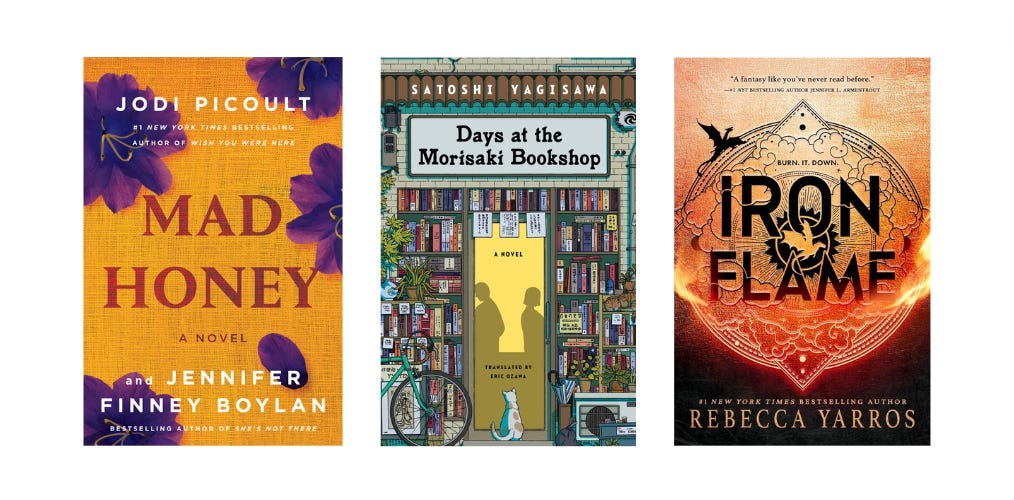
Book cover images for Mad Honey by Jodi Picoult and Jennifer Finney Boylan, Days at the Morisaki Bookshop by Satoshi Yagisawa, and Iron Flame by Rebecca Yarros.

Mad Honey — Jodi Picoult and Jennifer Finney Boylan

I’m not really a Jodi Picoult fan, but this book did prompt one of the most thoughtful book club discussions we’ve had in a long time. Picoult and Boylan largely split the writing for Mad Honey, with Boylan writing the perspective of Lily, a high school senior who tragically dies, and Picoult writing Olivia, a single mother whose son is put on trial for his girlfriend’s death. I preferred Lily’s chapters and appreciated that they were authored by someone with a particularly relevant lived experience, but I didn’t love that the plot ended up hinging on a surprise revelation that made way for a lot of topical spoon-feeding. That said, if there are readers who genuinely learn something about other people’s identities and experiences from this page-turner, then it’s achieving what it sets out to do.

Days at the Morisaki Bookshop — Satoshi Yagisawa, translated by Eric Ozawa

One of my reading goals for the year is to read more in translation, and this one was a fun start! After a bad breakup, Takako quits her life in the city to fulfill my personal dream of living and working in her uncle’s secondhand bookshop in Jimbocho, Tokyo, a neighborhood known for its many used bookshops. Once she’s back on her feet, she finds she has the opportunity to help her uncle do the same when his estranged wife reappears out of the blue. This gentle, heartwarming little book left me with a newfound interest in Tokyo’s secondhand bookshop scene and a whole reading list of translated Japanese literature, courtesy of the translator’s note at the end.

Iron Flame — Rebecca Yarros

The silver lining of an otherwise unsuccessful trip to the DMV in December was discovering that I had somehow been delivered a “skip-the-line” copy of this Fourth Wing sequel on Libby (did anyone else know this existed??). In this one, we’re back with Violet for her second year in the Riders Quadrant, but she’s struggling to hide the truth about what’s really threatening Navarre’s borders from her friends. When she finally caves, the story opens up at last to a world beyond Basgiath, with a host of new characters, folklore, and secrets to be uncovered—and kept. Supposedly this is only book #2 of 5, and judging by the ending, I’d say readers will need to strap in tight for the rest of the series. (TV adaptation when???)

SOLID SUPPORTS:
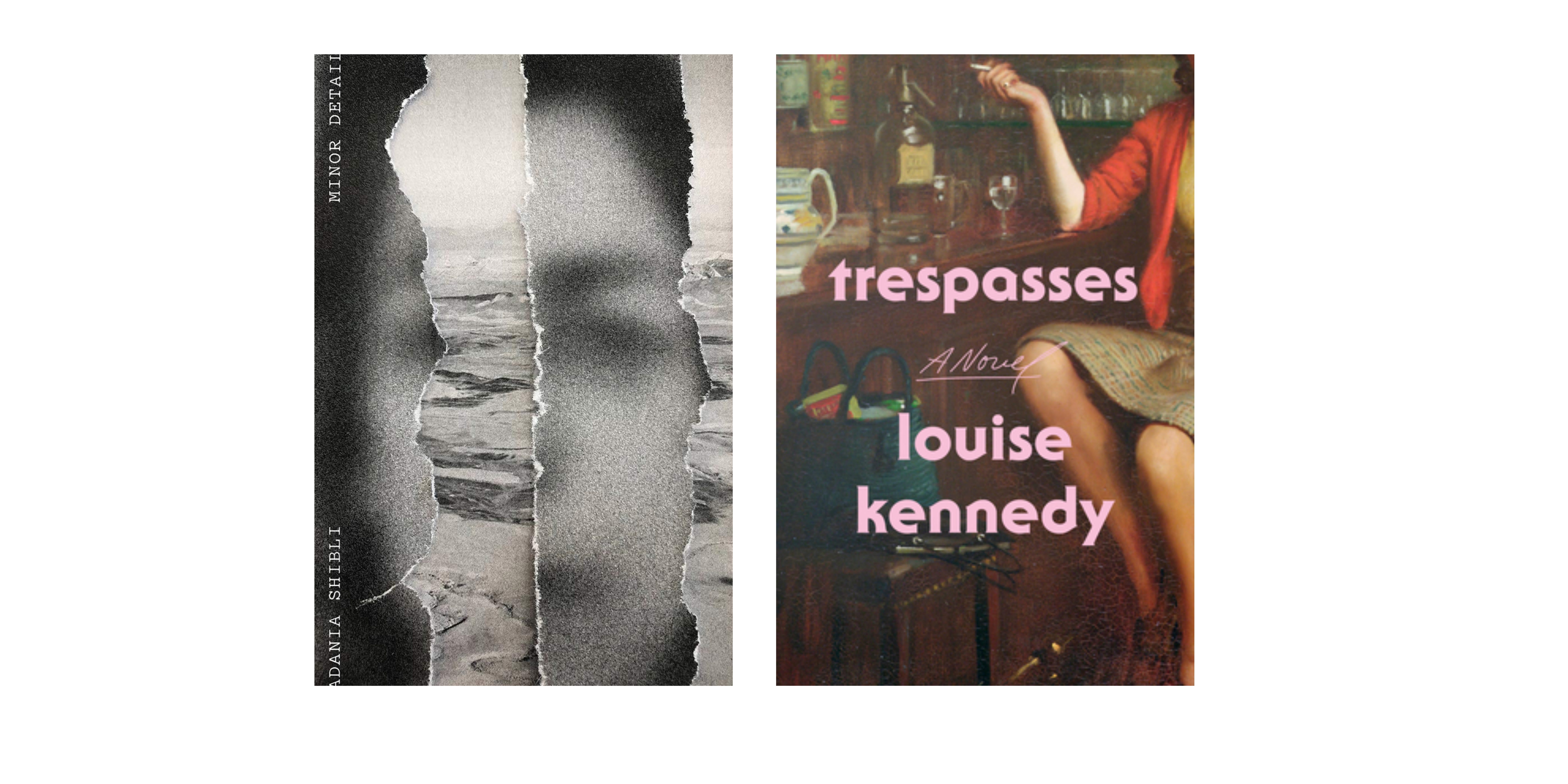
Book cover images for Minor Detail by Adania Shibli and Trespasses by Louise Kennedy

Minor Detail — Adania Shibli, translated by Elisabeth Jaquette

(CW: rape)
Another book in translation, this time from Palestinian author Adania Shibli. Coming in at just over a hundred pages, the first half of this book follows an Israeli officer in the aftermath of the Nakba in 1949, tasked with eradicating the last of the Arabs in the newly occupied territory. Over the course of these raids, the officers capture, rape, and kill a young Palestinian girl. Years later, a woman living in occupied Palestine reads of the incident and is consumed by the desire to learn more from the girl’s perspective.

This brief, haunting narrative is especially poignant when you consider that it was published in 2017, years before this latest chapter of horrific violence in the region but a product of the same conflict that has been ongoing for over seventy years. The book’s foundation is one of violence and eradication, so it’s unsurprising that the painstaking efforts of the second half to recover any personal details resembling truth are ultimately unsuccessful. There are no easy answers here, no closure, and no justice. How can answers be found when there is no one left to keep them, much less find them? This dilemma is once again unfolding in real-time, so if you haven’t written to your senators in a while about supporting a ceasefire, now would be a great time.

Trespasses — Louise Kennedy

Oh, how I love my Irish lit, depressing as it may be. Set in Belfast at the height of The Troubles, Trespasses follows Cushla, a young Catholic primary school teacher who begins an affair with an older, married Protestant barrister. I don’t usually go in for affair storylines, but for me, the romance took a backseat to the other alluring personalities that filled Cushla’s world: the eccentric regulars at her brother’s pub, the world-weary first-graders in her class, her sharp-tongued, alcoholic mother who misses absolutely nothing.

Kennedy brings this community to life in vivid color with smart, witty dialogue and a stark awareness of the boundaries drawn between themselves and the city around them, contrasting their would-be quiet lives with the persistent violence that is quite literally on their doorstep. The book is a study not merely of political conflict, but of internal and interpersonal conflict as well. All of this pushes Cushla to consider just how much she wants to ask from the life she’s been given—and whether it’s enough. I was surprised by how much I wound up enjoying the end of this one, and I’m looking forward to reading Kennedy’s short story collection, The End of the World Is a Cul de Sac, as well.


THE TIPPY TOP:
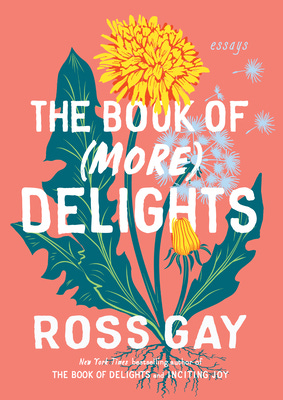
Book cover image for The Book of (More) Delights by Ross Gay

The Book of (More) Delights — Ross Gay

This book is as delightful as its title, made even more so by the author’s joyful audiobook narration. Though I haven’t read its predecessor, The Book of Delights, I believe this follow-up uses much the same format as a collection of daily musings on things the author finds delightful. The delights cover everything from hiking misadventures to gardening, gnomes, beloved family members, aging, basketball, trucks, angels, and many tender observations about the small routines and intimacies that make life precious.

About midway through the book, Gay comes to the realization that the delights are doubling as gratitudes, that they are a way of looking at the world with love and thankfulness for the gift of being able to experience them. As I listened to each delight while walking around my neighborhood, I found myself looking for—and finding—things to be grateful for in the vein of delights: the somehow as-yet unfrozen koi pond on the corner of my block; strangers who smile at you on the street in a wholesome, non-creepy way; the legion of Brooklyn Heights dogs in coats and booties; and the unexpected relief of walking out the front door and finding it warmer outside than expected.

These delights were a much-needed ray of sunshine in an otherwise tough, gray month. Being able to start my reading year off with these words of gratitude, and with the opportunity to use them as a lens for finding joy in my own life, was nothing short of a gift.


That’s all for January! I’m very excited about my February reading because the BPL gods have smiled on me (see below photo), so it’s safe to say I am BUSY for the foreseeable future (but also always down to chat in all the usual places).
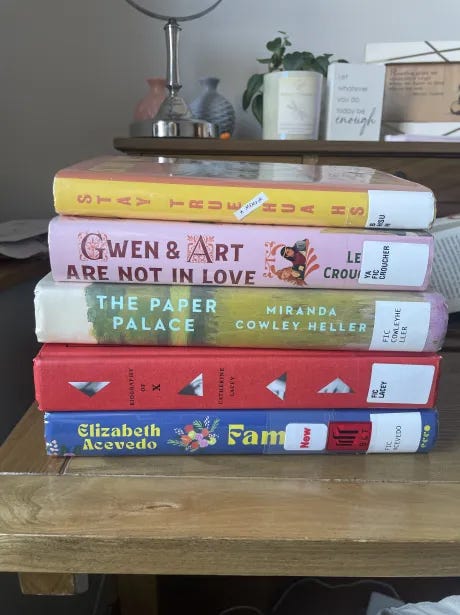
Stack of hardcover books on a wooden desk, from top to bottom: Stay True by Hua Hsu, Gwen & Art Are Not in Love by Lex Croucher, The Paper Palace by Miranda Cowley Heller, Biography of X by Catherine Lacey, and Family Lore by Elizabeth Acevedo.
lucky lucky me!

Until next time, happy reading!
❤ Catherine
You think love is so simple?

November in Review — Lit Chat, Vol. 14

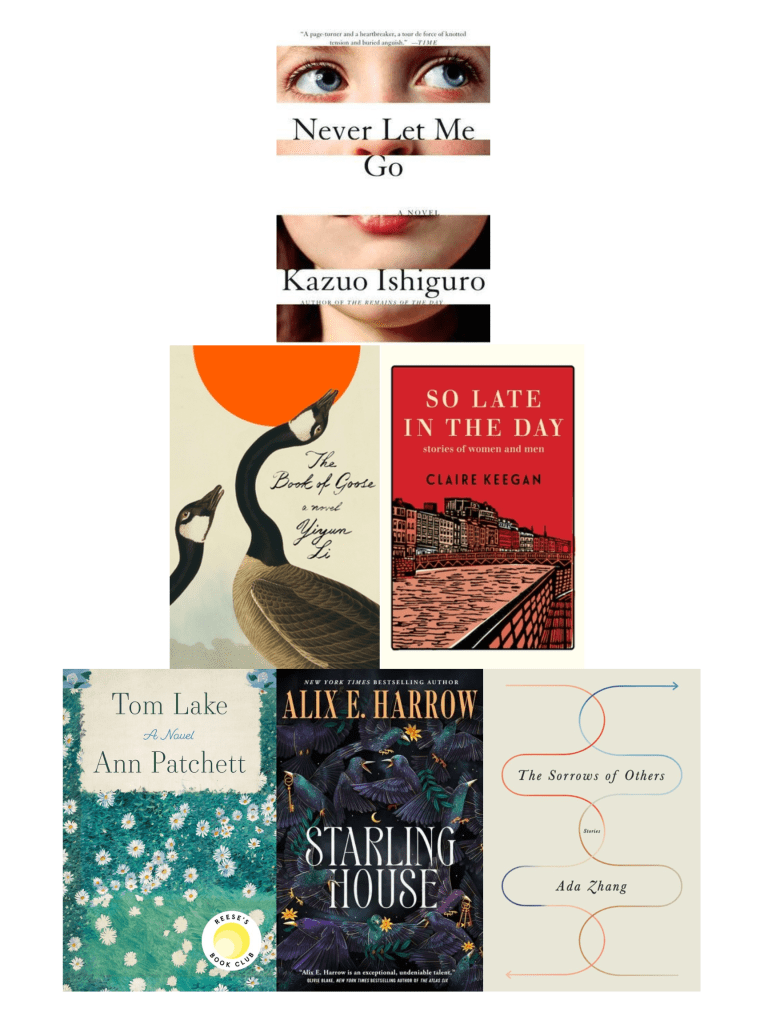
Pyramid of book cover images with Never Let Me Go by Kazuo Ishiguro on top, The Book of Goose by Yiyun Li and So Late in the Day by Claire Keegan in the middle, and Tom Lake by Ann Patchett, Starling House by Alix E. Harrow, and The Sorrows of Others by Ada Zhang on the bottom.

Housekeeping note: all links go to my Bookshop storefront, where each purchase supports independent bookstores (and this newsletter, because I get a small percentage of each sale). Buy your holiday gifts through Bookshop!!


Hi friends,

We made it to December! For me, this means that my brain has started craving hibernation mode: I don’t want to work, or think, or move my body any further than from the bedroom to the kitchen and back. I want to sleep in and eat grilled cheese and play Stardew Valley on the couch under a pile of blankets.

I’m even feeling lazy about reading: I’m nowhere near my original lofty Goodreads goal of 72 books in a year, so I’ve decided that I’m going to take December to indulge in the last 600 pages of the Outlander book I’ve been reading off and on since October. If I finish it and get around to something else this month, great! If not, I will simply enjoy the all-plot-no-thoughts vibes for as long as they last.

However! To atone for this laziness, I’ve decided to do a little end-of-year bracket, pitting the top books from each month against each other to see which one will officially be crowned my favorite book of the year. Start placing your bets now, folks! You’ll be hearing from me a bit more often in the coming weeks as I work through my completely subjective rankings.

One final housekeeping note for my local friends: I’m thinking of starting an informal reading club in the new year, where instead of all reading the same book at a time, everyone just brings one book/story/poem/article they’ve read and loved recently and we all take a turn to show and tell while eating snacks/drinking wine. If that sounds like fun and you’re in the NYC area, reach out!

Okay, okay, before we get too far ahead of ourselves, we still have November to discuss. Let’s get into it.


THE FOUNDATION:

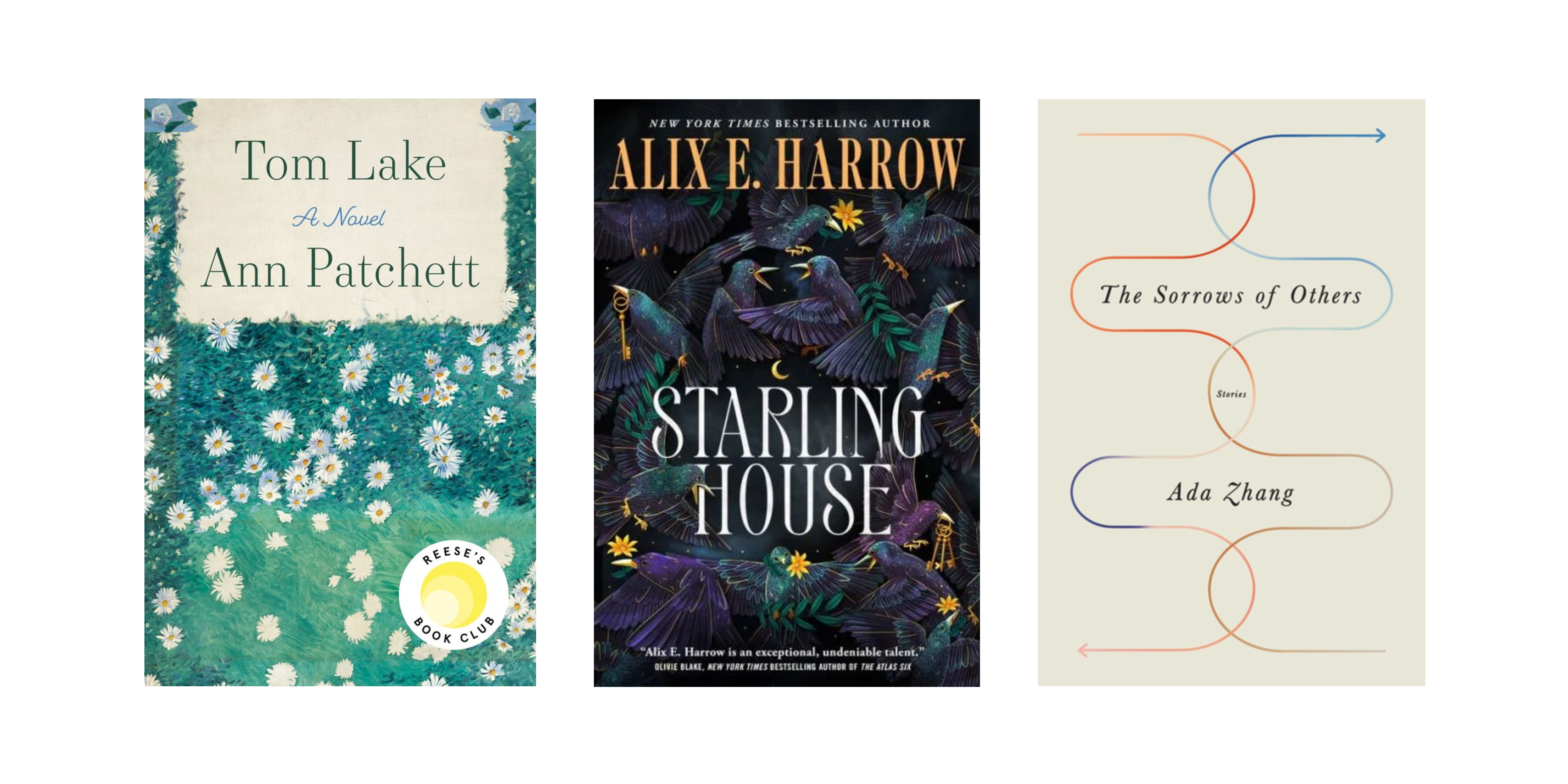
Book cover images for Tom Lake by Ann Patchett, Starling House by Alix E. Harrow, and The Sorrows of Others by Ada Zhang

Tom Lake — Ann Patchett

My first Ann Patchett, and I think my first official Covid-19 novel? Tom Lake is the name of the summer stock theater where young actress Lara Kenison falls for soon-to-be movie star, Peter Duke. Decades later, Lara is now retelling this story to her three adult daughters, who have all come home to help work their family’s Michigan cherry farm during the pandemic. The escapism of a nostalgic summer fling works to soothe the pandemic-related anxieties of both reader and characters, but personally, I realized I’m not quite ready to revisit this time in fiction just yet. That said, I think a lot of the moms in my life will relate to Lara’s conflicted happiness over having her family all unexpectedly under one roof again. A good book club book; Reese is onto something here!

Starling House — Alix E. Harrow

Regular readers of this newsletter know that I am simply a sucker for a mysterious, potentially magical old house! In this case, Starling House is the historic home of an eccentric children’s book author, whose eerie stories of a realm called Underland have fascinated orphan Opal McCoy since childhood. When Opal gets offered a job as a cleaner at the now derelict Starling House, it’s more than just an opportunity to support herself and her teenage brother in an unfriendly and unlucky Rust Belt town; it’s the answer to a calling she’s felt her entire life. Throw in a brooding love interest, a cursed family of greedy oligarchs, and a shady corporate antagonist, and you’ve got a perfectly vibey, gothic mystery to curl up with on the couch this winter.

The Sorrows of Others — Ada Zhang

I was first introduced to this collection when I read “Julia” in Electric Lit’s Recommended Reading, a barbed yet beautiful story about a woman preparing to leave the city and reflecting on the breakdown of a once-treasured friendship. I was initially drawn in by Zhang’s emotional precision, particularly the spot-on representation of the grief that comes from reckoning with the past selves you’ve outgrown. This reckoning is a recurrent theme in Zhang’s debut collection, which hops between China and America to feature the tangled stories of immigrants and the children of immigrants: husbands and wives, mothers and daughters, sisters and granddaughters, each of them struggling to reconcile their sense of self against their needs and desires and those of their families. “Julia” is a fantastic entry point to Zhang’s work, but the entire collection is one to be savored, each story sharper and more poignant than the last.


SOLID SUPPORTS:

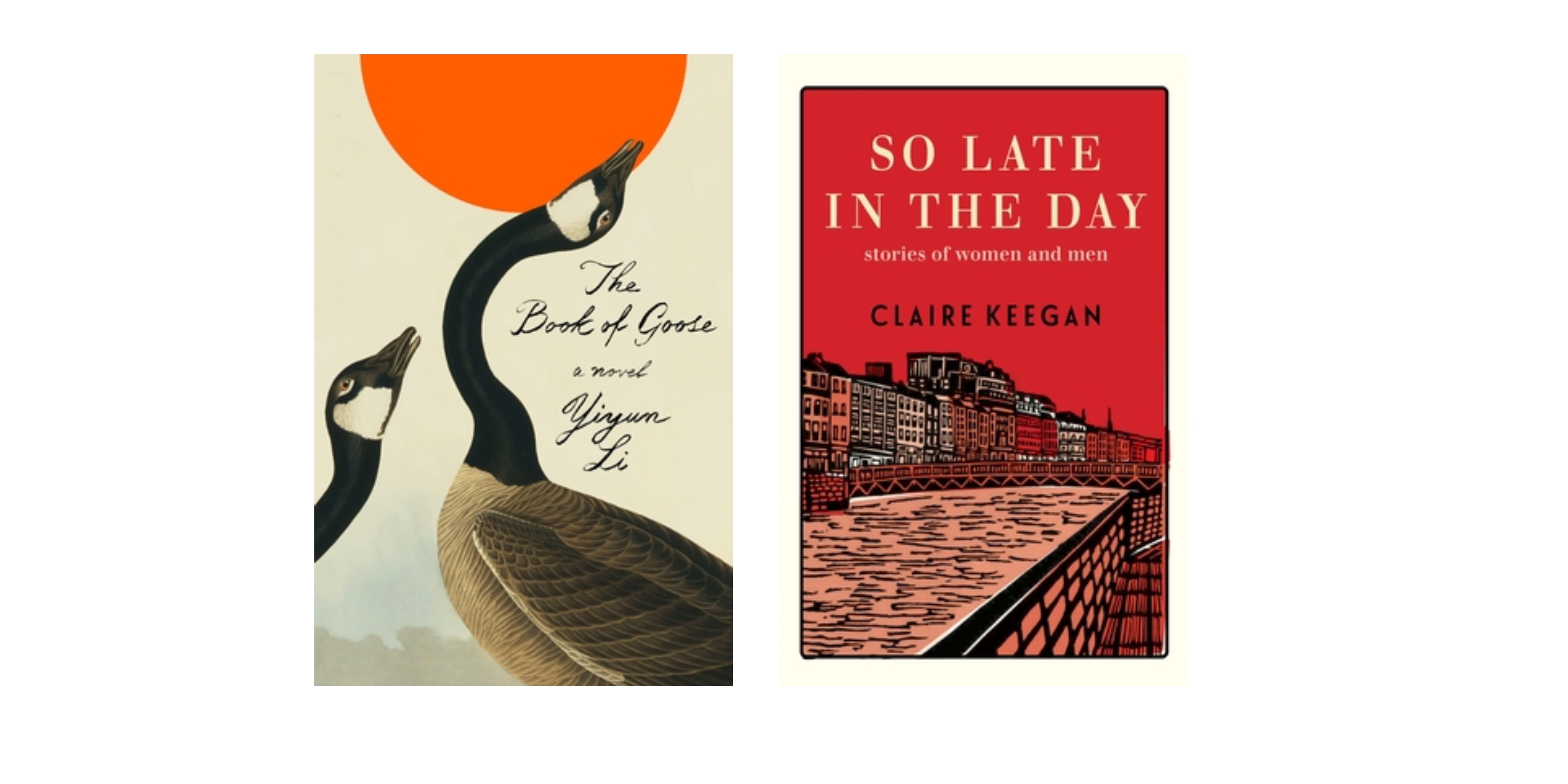
Book cover images for The Book of Goose by Yiyun Li and So Late in the Day by Claire Keegan

The Book of Goose — Yiyun Li

This is a little weirdo of a book, but one that I thoroughly enjoyed. In a small provincial town in the post-war French countryside, childhood best friends Fabienne and Agnès decide to play at writing a book together inspired by their lives. With Fabienne as the creative mastermind, Agnès’s name on the cover, and a little help from the local postman, the book captivates the French literary world—catapulting an unprepared Agnès into the spotlight.

It sounds so much simpler than it is. The narrative is told in the present day by Agnès, now an adult living in America, who feels free to tell her story in her own words only after learning that Fabienne has died in childbirth. Even then, the voice of Fabienne’s ghost is ever-present in Agnès’s mind. The Book of Goose is an intricate portrait of female friendship and an insightful exploration of fame, power, influence, and the fleeting nature of it all. @CB, you have redeemed yourself with this rec!

So Late in the Day — Claire Keegan

I read Claire Keegan’s Small Things Like These around the same time last year, and I’m thinking of making reading her work something of a seasonal tradition. This slim little volume is a compilation of three previously published short stories: the first, about a man on his would-be wedding day, reflecting on where he went wrong; the second, about a woman on a writing retreat forced to host an unwelcome guest; and the third, about a married woman who decides to have sex with a stranger and gets far more than she bargained for.

I really wrestled with whether or not to give this one the top spot because the last story in particular, “Antarctica,” has positively haunted me. The other two stories are masterful, don’t get me wrong, but “Antarctica” is a whole masterclass in character, pacing, and atmosphere. I’m obsessed with the way Keegan lulls you into a false sense of security alongside the protagonist, denying the instinctual sense of dread steadily creeping in around the edges until the danger becomes chillingly obvious. A week later, it still gives me shivers just thinking about it.


THE TIPPY TOP:

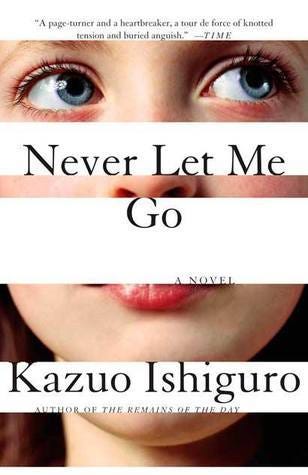
Book cover image for Never Let Me Go by Kazuo Ishiguro

Never Let Me Go — Kazuo Ishiguro

Surprise, surprise, the Nobel Prize winner comes out on top! As I said, it was a real struggle between this and So Late in the Day, but ultimately, this one has managed to haunt me longer and more completely as a novel rather than a single story in a collection.

Most of Never Let Me Go takes place at Hailsham, a seemingly idyllic English boarding school where its students are cloistered from the broader world while learning everything they will need to one day go out into it as (organ) “donors.” Kath, a former student, narrates the book as an adult reflecting on her childhood while she cares for other donors in preparation for becoming one herself.

What struck me the most about this book is not the ultimate revelation, unsettling as it is (no spoilers!), but how successfully Ishiguro manages to shield us from the disturbing truth for as long as he does. In this way, we are as sheltered as the Hailsham students—we always know there is more to this story, something that likely has broader and more sinister implications for our understanding of this alternate future, but it feels so far removed from the routine of daily life at Hailsham and the intimacies of Kath’s relationships with the other students that you can easily bury the niggling suspicion that something is not quite right.

For such a quiet book, it’s a fairly scathing take on how easily society can become inured to human rights abuses when those being abused are perceived as less than or unhuman, especially when this abuse becomes accepted as the norm. (Sound familiar? It should.) Never Let Me Go was published in 2005, and yet Ishiguro’s warning to society is as timely as ever. He offers no panacea to Kath’s and the other students/donors’ plight, but he does force the reader to bear witness, with full knowledge of the wrong that is being done. It’s up to us to decide at what point we look away.


All right friends, that’s all for today! If you need me, I’ll be in Revolutionary War-era America with Jamie Fraser for the foreseeable future, so don’t call or text (unless it’s to talk about any of the above books or to give me a rec for my 2024 TBR—those texts are always welcome).

Until next time, happy reading!
❤ Catherine