Always try to keep a patch of sky above your life

Lit Chat Vol. 29 — August in Review
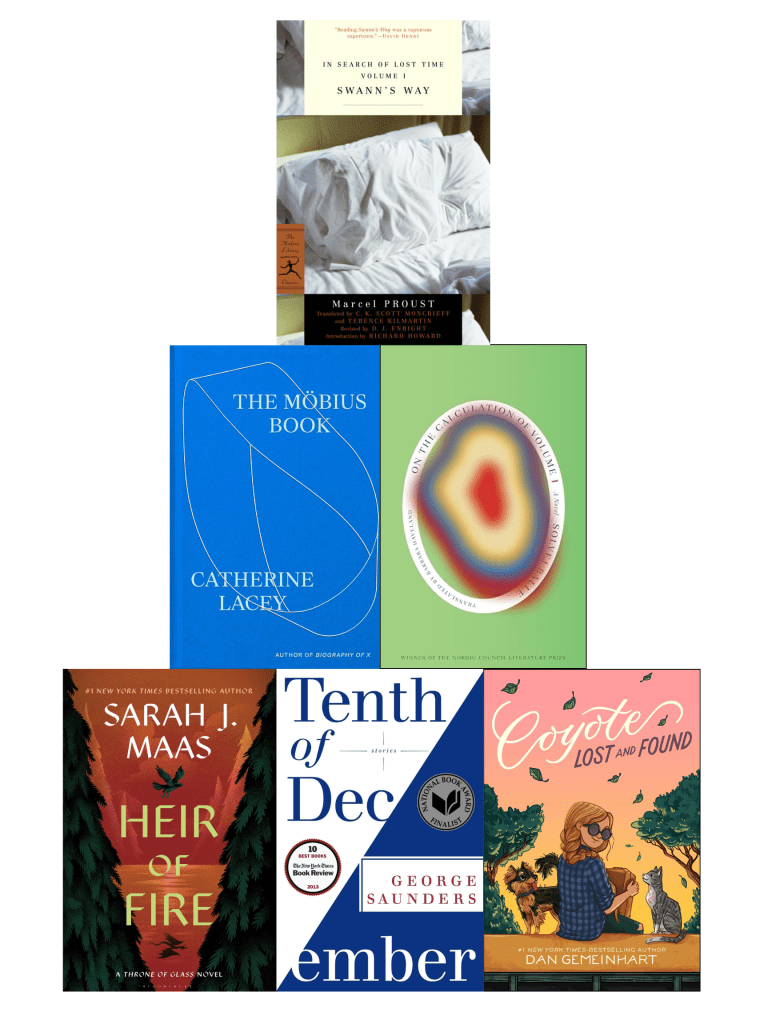
Pyramid of book cover images with Heir of Fire by Sarah J. Maas, Tenth of December by George Saunders, and Coyote Lost and Found by Dan Gemeinhart on the bottom; The Mobius Book by Catherine Lacey and On the Calculation of Volume I by Solvej Balle in the middle; and Swann's Way by Marcel Proust on top.

Hi friends,

I have good news and bad news. The bad news is: this newsletter officially marks the end of summer reading time.

I know, I know, technically we still have another week, I’m over it. Here’s where the good news comes in: I hereby declare it officially Back to School/Cozy Fall reading season! Put on a scarf and re-read The Secret History on a park bench to celebrate.

But before I get too far ahead of myself seasonally, I do have one more month of summer reads left to share. I’m not sure my summer brain is less discerning than usual, but I gave every book in this newsletter four stars on Goodreads. Some probably could have been half stars if Goodreads had that option, but since they don’t, this pyramid is organized purely on vibes and a little bit of recency effect.

I’d love to hear if you had any favorite summer reads or surprise highlights of the season, or if there’s anything in particular that’s on your TBR as the weather starts to cool down and the era of cozy reading is almost upon us. Let me know!

And of course, if you’d rather get this in an email straight to your inbox, you can subscribe to my Substack here:


THE FOUNDATION:
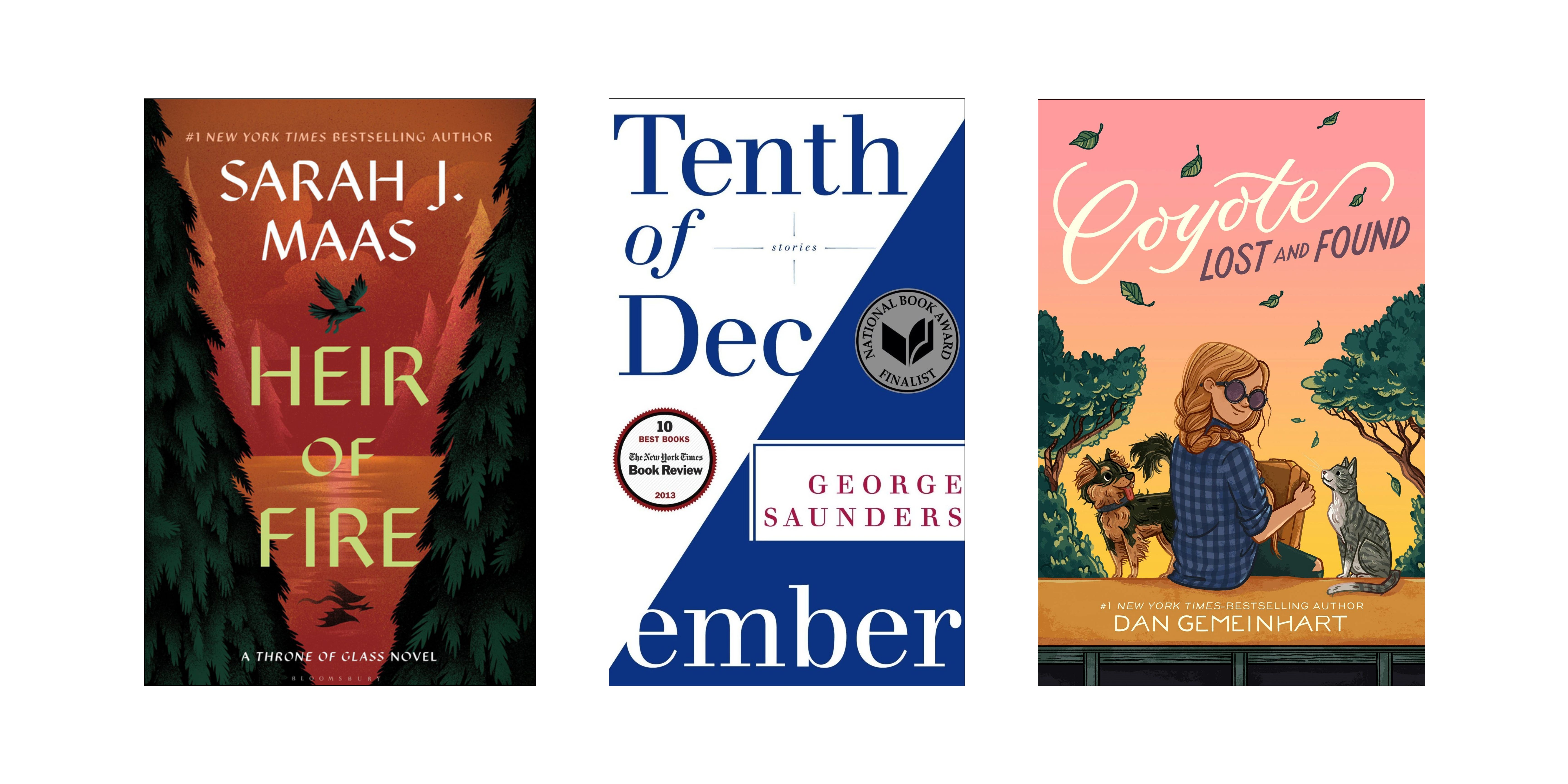
Book covers for Heir of Fire by Sarah J. Maas, Tenth of December by George Saunders, and Coyote Lost and Found by Dan Gemeinhart

Heir of Fire — Sarah J. Maas

Another Throne of Glass book! Not much to say about this one without spoilers, except for the fact that this was the first one that I listened to as an audiobook, and I enjoyed that experience more than I thought I would. It’s also the first book in the series to jump around with POVs beyond just those immediately involved in Celaena’s story, expanding the world to include concurrent storylines from other characters and continents, new and old. Consider this my formal request for Libby to add the fourth audiobook to their catalog (please)!!!

Tenth of December — George Saunders

George Saunders, certified weirdo and probable genius, is a master of the short story. There’s a conversation with David Sedaris included at the end of the book, in which Saunders talks about how he likes to push his characters to their breaking points. This can sometimes make the stories seem cruel, but it’s this cruelty that forces his characters into a crisis, triggering the intrigue and emotional complexity that we expect from Saunders.

You can trace this strategy through each of the stories in this collection, which all live somewhere on a sliding scale of bizarreness: whether it’s the teen boy deciding to intervene in an assault on his neighbor in “Victory Lap,” or the learned desensitization in the world of “Semplica Girl,” which is a story that still haunts me. Even in the strangest, most dystopian settings, Saunders’ characters hold up a mirror to our most mundane and authentically human motivations and desires.

Coyote Lost and Found — Dan Gemeinhart

The first book featuring this character, The Remarkable Journey of Coyote Sunrise, was one of my favorite middle-grade titles to hand-sell when I worked at Books of Wonder in 2019. This sequel sees the return of Coyote, her dad Rodeo, and Yager, the outfitted school bus they lived in for the six years following the accidental death of Coyote’s mom and two sisters. This time, we’re on the road again in search of a lost book that contains a final message from Coyote’s mother.

Gemeinhart manages to infuse these quirky characters with so much heart it actually hurts—the first book made me ugly cry, so at least I was prepared for it this time around. It also handles the pandemic in a way that feels natural and respectful while also portraying the dangers and frustrations of the time in a way that young readers can process and understand, regardless of whether they remember it first-hand. (How wild that we now live in a world where kids may not remember Covid? Oh, to be so lucky.)


SOLID SUPPORTS:
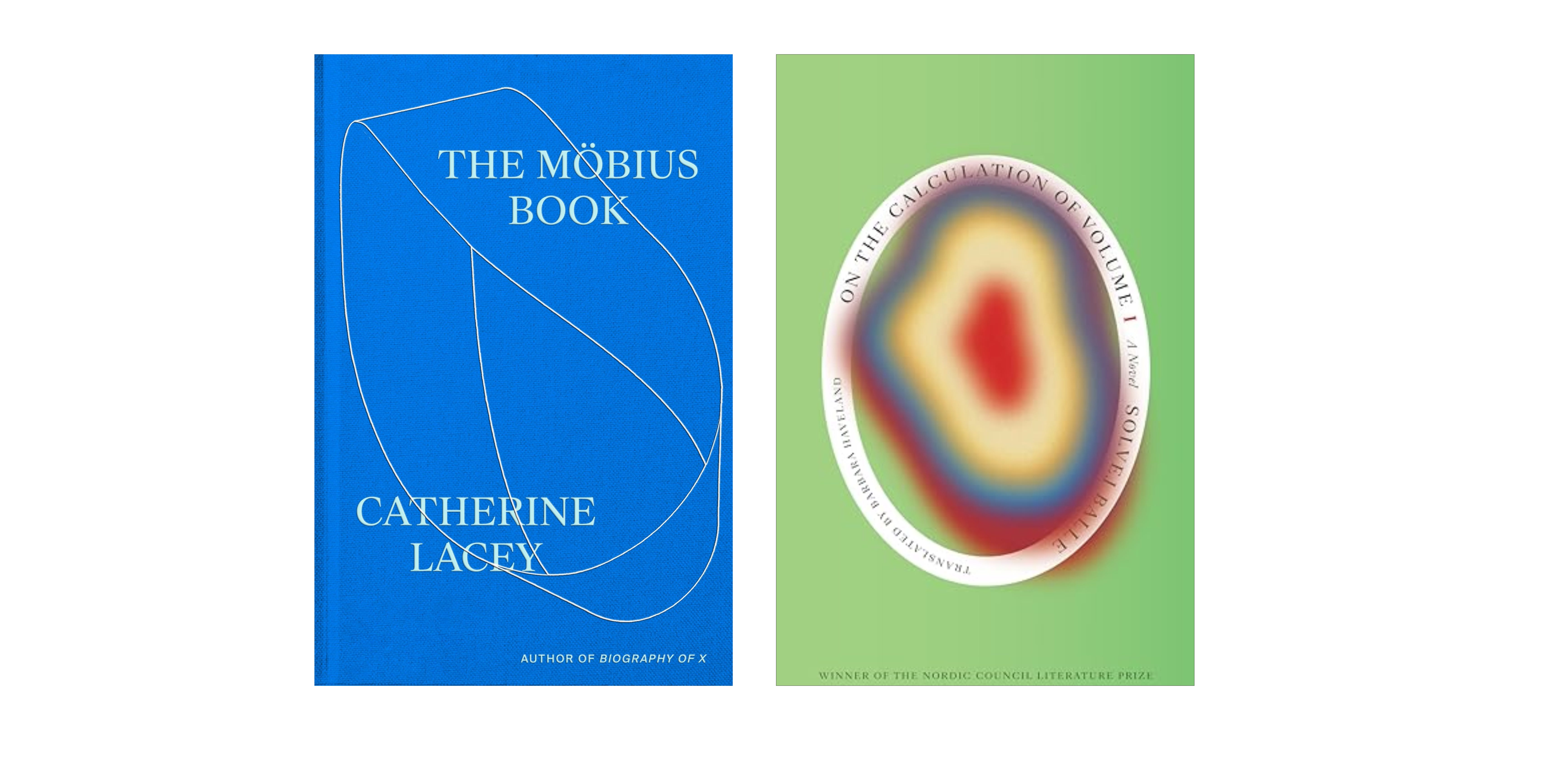
The Möbius Book — Catherine Lacey

A new weird-ass book from Catherine Lacey, thank god! The Möbius Book is a hybrid memoir/fiction experiment, and I didn’t fully understand the title until I finished both halves and realized that you could continue going back and forth between the two sides and discovering new ways that each has seeped into the other, likely indefinitely.

It’s a captivating look at the author’s loss of a relationship and her struggle to rebalance her world and her other relationships in its wake, and these themes of grief, loss, and identity pop up in sneaky ways in the accompanying work of fiction. It’s obvious which section is which, but they’re not marked. The front and back of the book appear exactly the same; you just have to pick a side and start reading. There’s no wrong way to read this book—you’ll find yourself returning to the beginning again no matter where you start.

On the Calculation of Volume I — Solvej Balle, tr. Barbara Haveland

I read most of this book on the train from London to Sheffield for a conference, complimentary tea and biscuits at hand, which was an elite reading experience!!
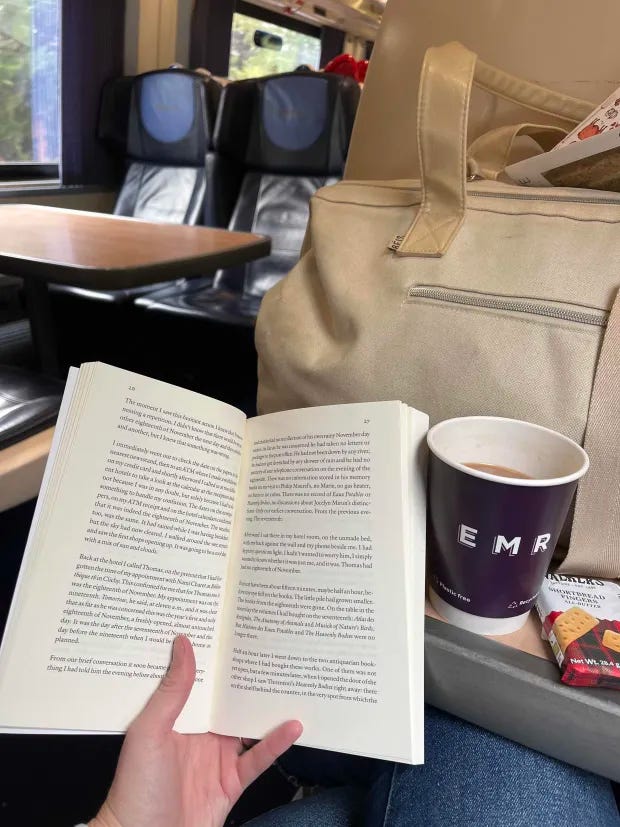
Hand holding a paperback book open next to a paper cup of tea and packet of shortbread biscuits. Travel bag and train car in the background.
this one goes out to the East Midlands Railway

How engrossing can a novel about a woman reliving the same day over and over again really be? The answer is: VERY. I could not stop thinking about this book once I’d started, and finished it within 24 hours.

The premise is basic: a woman wakes up to the same calendar day every day for a year. The same events happen around her each day, but she seems to be the only one who remembers them. I don’t want to say too much and spoil anything because it’s such a short book and I think most of the wonder comes from truly not knowing what to expect, BUT! I can say that I found the protagonist’s exploration of her new reality and its limitations and opportunities completely engrossing. This is the first of SEVEN volumes, and the third will be released in English in November. I can’t wait to see how this world can possibly continue expanding.

Swann’s Way — Marcel Proust, tr. C.K. Scott Moncrieff and Terence Kilmartin, revised by D.J. Enright
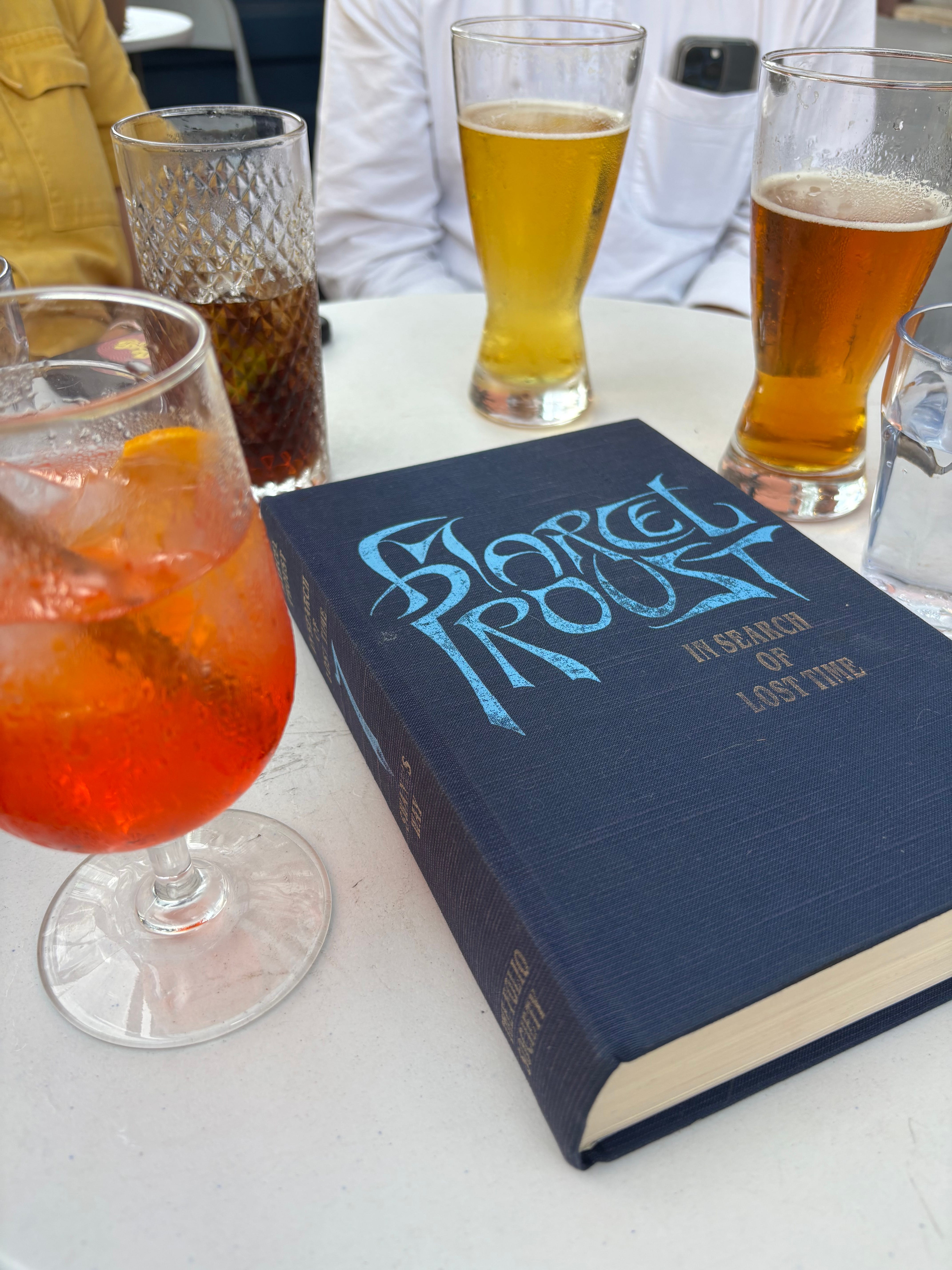
Blue hardcover of Marcel Proust's Swann's Way in the middle of a white table, surrounded by half-full drink glasses
from our lovely halfway point chat a few weeks ago!

As you may be aware, I’ve been reading Proust this summer along with a few brave friends and documenting it on Substack! Over the course of eight(ish) weeks, we read Swann’s Way, the first volume of In Search of Lost Time—which is no small feat when you look at how long the paragraphs are.

While the writing style certainly took some getting used to (that man never met a comma he didn’t love), I found myself genuinely enjoying disappearing first into the world of his family’s country home in Combray, and then into Belle Époque Paris. Although the plots (if you can call them that) of each section could not have been more different, similar themes of time, memory, and love were easily trackable through each storyline. Its social commentary was so much funnier than I expected, and taking the time to turn my former English major brain on each week to do a little analysis was deeply refreshing. Getting to talk about it with friends and discover new layers to the text together has been even better!

Though this maybe wasn’t the most “fun” read I had this summer, it’s the one I’m most proud of, and therefore deserves the top spot. Finishing this book and keeping up with the weekly updates felt like a true achievement, and while I definitely need a break before trying my hand at any future volumes, at least now I know that I’m absolutely up to the task.


Summer reading, you were fun! I’m now very excited to lean into the dark academia vibes for fall: I honestly might do a Secret History re-read, and I’m also hoping to get my hands on R.F. Kuang’s newest, Katabasis. Plus, V.E. Schwab’s latest, Bury Our Bones in the Midnight Soil, looks deliciously dark and vibey, per usual.

What will you be reading this fall? I want to hear about it! Always down to chat in all the usual places.

Until next time, happy reading!
❤ Catherine


Housekeeping note: all book links go to my Bookshop storefront, where each purchase supports independent bookstores (and this newsletter, because I get a small percentage of each sale).
The best is between the lines

Lit Chat Vol. 28 — June & July in Review

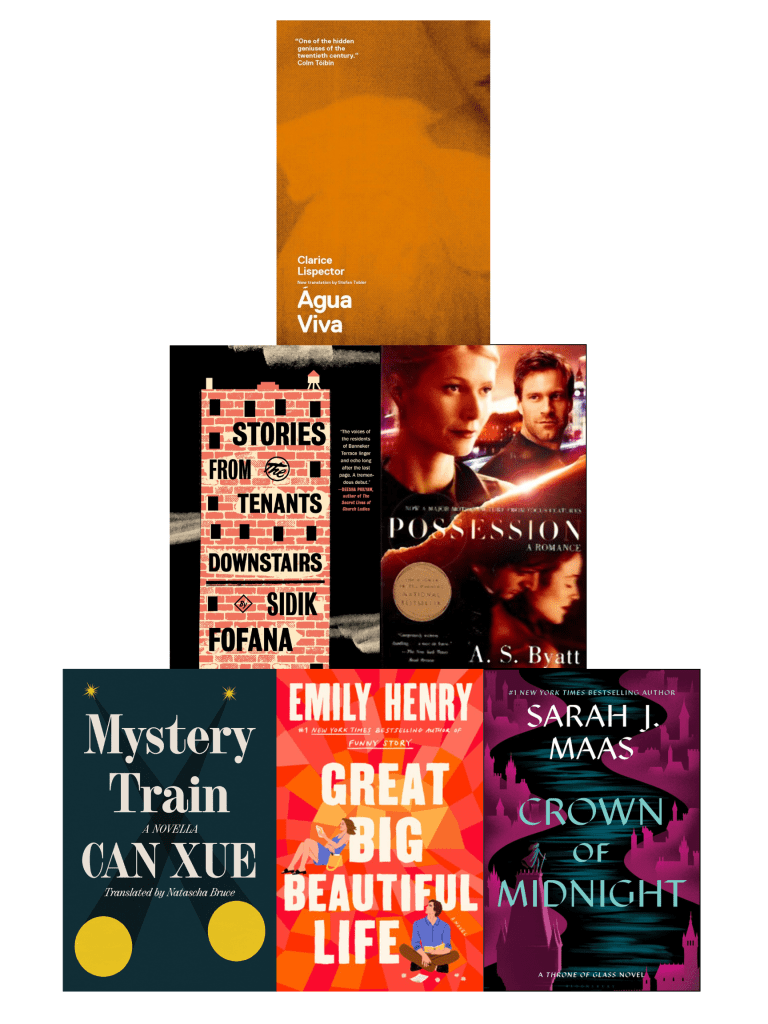
Book cover pyramid with Mystery Train by Can Xue, Great Big Beautiful Life by Emily Henry, and Crown of Midnight b Sarah J. Maas on the bottom row; Stories from the Tenants Downstairs by Sidik Fofana and Possession by A.S. Byatt in the middle row, and Agua Viva by Clarice Lispector on top.

Hi friends,

We’re back after a little summer break! I’ve been letting myself take things slow this summer, and that includes my reading. However! As we are now somehow over halfway through the year, I wanted to take a moment to check in on the reading goals I set for myself in January and see how much progress I’ve made:

My 2025 Reading Goals:

  • read 6 poetry collections
    • 2/6! Time to pick up the pace—now accepting recommendations!
  • read 6 short story collections
    • 4/6! On track and currently in the middle of #5.
  • read 6 craft/writing books
    • 3/6! On track with my next one on hold at the library, but might need to do some thinking about what I want my last two to be.
  • read 4 books in translation
    • 4/4! I joined a literature in translation book club in my office, which has been so much fun. Now it’s something that’s just built into my reading schedule without having to be as intentional about it, which is perfect.
  • read Emily Wilson’s translation of The Iliad
    • Behind on this! I did read all the introductory materials and the first two or three parts at the beginning of the year, but lost steam when I had to clean my desk and put the book up on a shelf. Maybe taking it back off the shelf will help motivate me to come back to it by the end of the year? Or maybe I should just pick a month and say, “This is the month that I read The Iliad.” TBD!
  • read Marcel Proust’s In Search of Lost Time
    • In progress and thrilled about it!! If you didn’t know, I’ve been working my way through the first volume, Swann’s Way, with a few other brave souls behind the paywall on my Substack. We’ve just finished reading Part One, and I’m loving the structure of assigned reading and the weekly space to sit and use my brain for a little bit of analysis. Thank you to all who are currently on this journey with me, and if you’re interested in catching up (or just reading the paywalled posts), you can do so below:

Okay, all in all, pretty proud of how things are going! Even if my reading pace has been slower and I haven’t been reading as many books as in previous years, I do feel like I’ve been engaging with what I read more deeply.

Especially considering the number of opportunities I’ve had to be in literary community over the past six months, I’d say this has already been an especially rich reading year! I’m so grateful for everyone who reads this newsletter and/or has come over to my apartment to talk about books or gone to a book event with me out in the city.

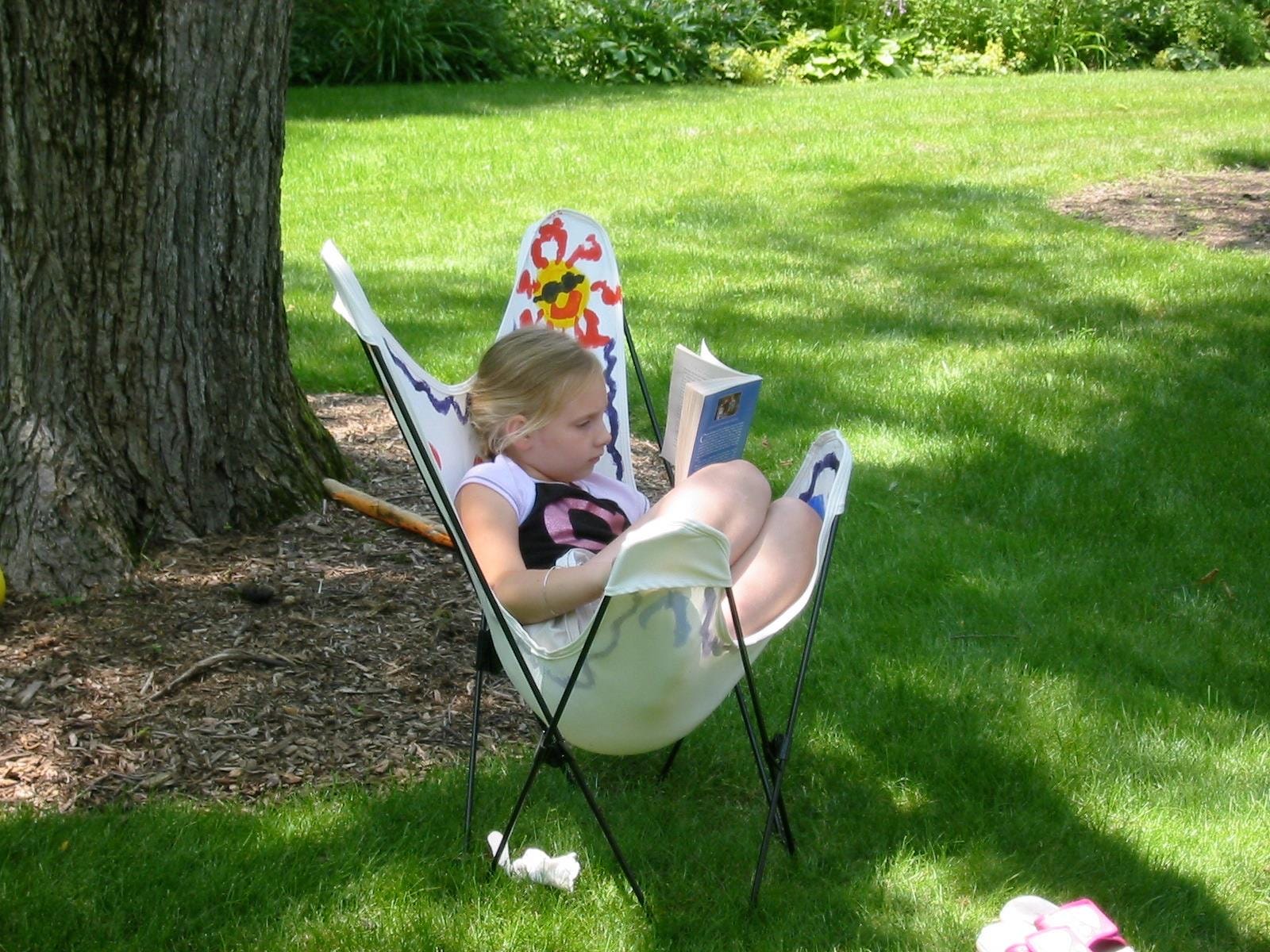
I recently shared this photo of 9-year-old me reading behind the Proust Read-along paywall, but I can’t stop thinking how happy this lil bookworm would be that reading is still such a big part of her life, so I’m sharing it again here:

Young girl curled up in a hand-painted canvas butterfly chair, reading a book in a backyard under a large elm tree
this is still my preferred reading position

Okay! Now with that long preamble over, let’s get to the books of June and July. If you prefer to get this post delivered straight to your inbox, make sure you subscribe to my Substack here:


THE FOUNDATION:

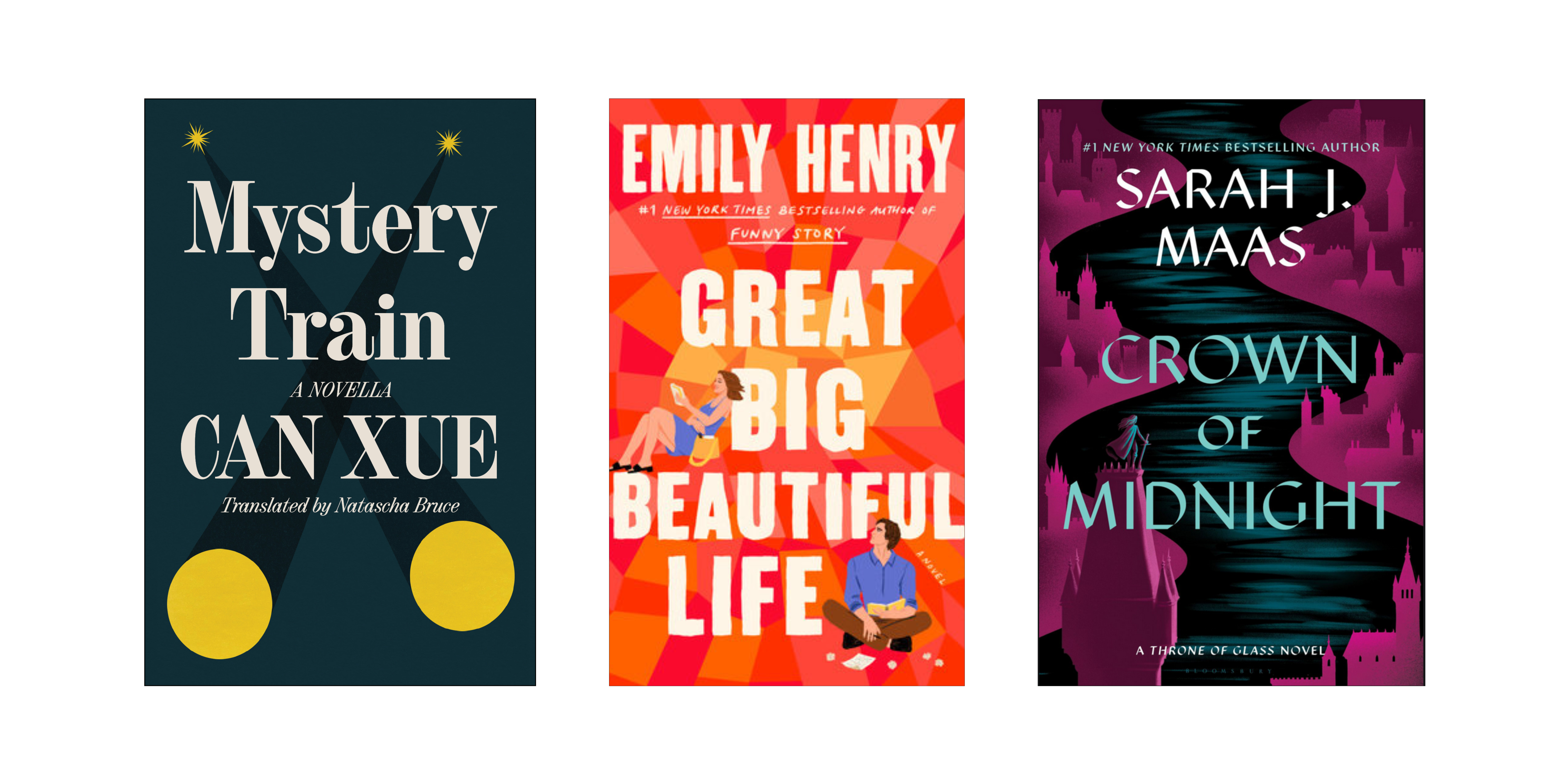
Book cover images for Mystery Train by Can Xue, Great Big Beautiful Life by Emily Henry, and Crown of Midnight by Sarah J. Maas
sidenote: how gorgeous are these covers together??

Mystery Train — Can Xue, translated by Natasha Bruce

This was July’s translation book club pick, and our discussion ended up taking almost as wild a journey as the titular mysterious train. It’s the story of a chicken farmer named Scratch who is sent on a journey to buy chicken feed by his boss, only to realize that this journey is unlike any of the trips he’s ever taken before, and there might not actually be a way off the train. This is a fever dream of a novella, and had us debating questions of life and death, desire and fate, metaphors of light and darkness, and the prerequisites for embracing the unknown. I’ll definitely be looking to pick up more of Xue’s work in the future.

Great Big Beautiful Life — Emily Henry

Okay, I am still very much an Emily Henry stan, but this one didn’t fully do it for me! I loved all of the things I always love about her books: e.g., the unique, cozy setting of small-town coastal Georgia, the witty banter, the sexy love interest with a gruff exterior just begging to be chipped away. I think what didn’t work for me was that it felt like she was trying to write two books at once: the love story of two journalists vying for the chance to write the biography of a famously reclusive former media darling, and the life story of said darling and her media empire family. It was giving The Seven Husbands of Evelyn Hugo, but shoehorned into an EH romance. My opinion is that whatever book-a-year publishing schedule she’s on is starting to take a toll, but this book still does everything it sets out to do and is an easy, fun summer read.

Crown of Midnight — Sarah J. Maas

I would have ranked this higher, but honestly, it’s been less than a month since I finished and I could barely remember what happened in this second Throne of Glass book when I sat down to write this. Since I’ve started listening to the third book, more details about Celaena’s attempts to subvert the king’s plans for her to eliminate resistance in Adarlan have come back to me, and I remembered that I did enjoy leaning into the new romance and the expanded lore found in this sequel. So far, I still prefer the ACOTAR series, but these books have consistently been a good palate cleanser for when I need to get back into a reading groove.


SOLID SUPPORTS:

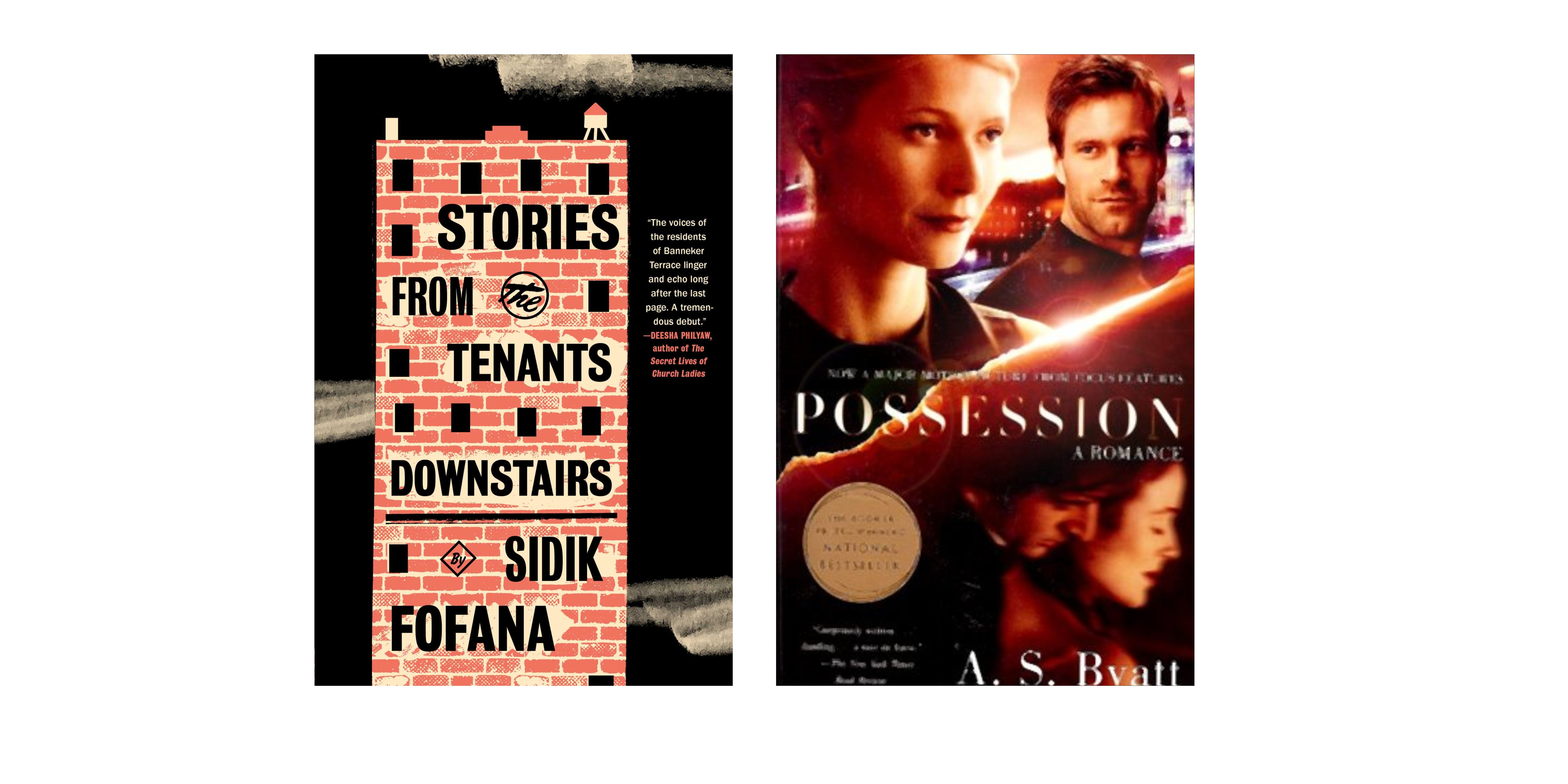
Book cover images for Stories from the Tenants Downstairs by Sidik Fofana and Possession by A.S. Byatt

Stories from the Tenants Downstairs — Sidik Fofana

I picked this up as a “blind date with a book” from Transom bookstore in Tarrytown, which did a perfect job of reeling me in with its no-spoilers pitch. The blind date bio was: “a voicey, bombastic mosaic of a novel full of vibrant characters, real drama, and sharp social commentary on modern urban development,” and I think the Transom bookseller hit the nail on the head with that description.

This story collection is set at Banneker Terrace, a housing project in Harlem facing the looming threat of rent hikes and gentrification. Each chapter focuses on a different tenant, spotlighting single mothers, young entrepreneurs, an aspiring hairdresser, an elderly chess player, and more. A microcosm of New York community, everyone is fighting to support themselves and each other as best they can, and I found myself invested in all the ways the different storylines intersected and diverged. A quick but impactful read, these stories left me wanting to check back up on the characters like they were real people, and had me thinking for a long time about hope and grit and the complicated relationship between identity and home.

Possession — A.S. Byatt

I had to look at this silly-ass book cover every day, so I’m making you look at it too. Well over 500 pages, this book took me a loooong time to get through, but I ultimately appreciated the way it forced me to slow down and lengthen my attention span. The story is split between that of two modern-day British literature scholars investigating a potential affair between two Victorian poets, and the affair itself, pieced together from letters, diary entries, and their poems themselves. When the modern-day scholars’ quest catches the interest of other academics with a stake in the game, it becomes a race through time to uncover—and claim possession of—the truth.

As a novel about literature, this ticked a lot of boxes for the former English major in me. I love a scandalous literary mystery! That said, I definitely think the POV-hopping affects the pacing, and apparently some people (Goodreads reviewers) take issue with the amount of real estate that the poems introducing each chapter take up. However! If you’re paying close attention, the poems actually have little clues and Easter eggs relevant to the narrative, which I think is very cool!! Also, can we take a moment to appreciate how impressive it is that the author not only wrote a whole novel, but multiple poems in distinct styles and voices, attributed to different characters? This is the kind of showing off that wins you a Booker Prize.


THE TIPPY TOP:

book cover image for Água Viva by Clarice Lispector

Água Viva — Clarice Lispector, translated by Stefan Tobler

I don’t even know where to begin with this tiny, crazy book. I can’t remember who recommended it to me, but after waiting months to get it from the library, I read it in one sitting, returned it to the library, bought a copy, and re-read it with a pen in hand so I could underline my favorite lines—something I rarely do! It reminded me a lot of Maggie Nelson’s Bluets for its snippet-like, philosophical-leaning experimentation with form, and because both are journeys of artistic self-exploration in the wake of an ended love.

Água Viva is Lispector’s quest to capture each instant moment as it passes to discover the fundamental truth of what is. She attempts to surpass that which can be expressed through words to reach an experience that exists “beyond thought,” often comparing these forays into the inexpressible to the effect art and music have on the brain. Phillip read it after me and said it was like reading from the perspective of an atom, which I thought was both brilliant and accurate.

Her playful experimentation with language becomes a vehicle for excavating the truest self, transfiguring the reality of our mundane world into symbols that represent shared experiences of emotion and sensation. What ensues is a kind of birth, a reborn Lispector speaking from the instant of the page to both her lost love and all her future readers, transcending the boundaries of time and space and form to preserve her inimitable, unmistakable voice. This is one of those books you could read again and again and get something new out of it every time, and I fully plan to do so.


That’s a wrap on the first half of summer reading! I’d love to hear from you about how your reading goals are going, what’s left on your summer TBR, and if you have any thoughts on the books above. Feel free to drop a comment below or send me a message in all the usual places—I’m always down to chat!

Until next time, happy reading!
❤ Catherine


Housekeeping note: all book links go to my Bookshop storefront, where each purchase supports independent bookstores (and this newsletter, because I get a small percentage of each sale).

Yoohoo, Big Summer Blow-out!

June/July/August in review — Lit Chat, Vol. 20

Pyramid of book cover images. Bottom tier: Highfire by Eoin Colfer, The Tombs of Atuan by Ursula K. Le Guin, The Familiar by Leigh Bardugo, and A Court of Frost and Starlight by Sarah J. Maas; Third tier: Family Meal by Bryan Washington, A Court of Wings and Ruin by Sarah J. Maas, and Drive Your Plow Over the Bones of the Dead by Olga Tokarczuk; Second tier: The Road by Cormac McCarthy and Either/Or by Elif Batuman; Top: Catch the Rabbit by Lana Bastasic

Hi friends,

It’s September! Thank goodness. I don’t know about you, but this summer really took it out of me. Gone are the days where I could knock out the entire Lake Forest Library summer reading challenge in the span of a couple of days. From what I remember, we were supposed to log our reading in 20 or 30-minute increments, amounting to a total of maybe four hours? That was an easy rainy day for me.

This summer, free half hours have been few and far between, and most of my summer reading was concentrated into plane and train rides or rare, peaceful early mornings before the rest of the AirBnB woke up. I love the flexibility and freedom of summer, and I’m so grateful to have spent the past few months across more than half a dozen cities celebrating friends, family, love, and the joy of being in a new place with your people. That said, I’m exhausted!!! I’m so happy to have spent most of August recovering at home, and I’m so ready to start channeling some much-needed back to school energy into my September.

As you might imagine, this post is a big one! I read ten books over the months of June, July, and August, so for the first time since March 2023, we have an Honorable Mention tier as a ~blog exclusive~. If you usually prefer reading this in your inbox, though, make sure you’re subscribed to my Substack here:

But you’re probably here on the blog for the Honorable Mentions, so let’s get right to it.


HONORABLE MENTION:

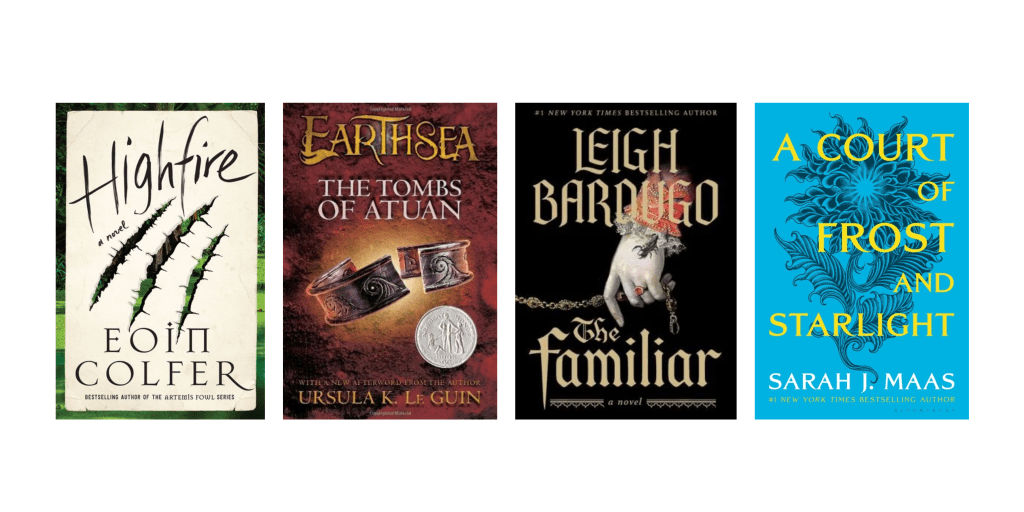
Book cover images for Highfire by Eoin Colfer, The Tombs of Atuan by Ursula K. Le Guin, The Familiar by Leigh Bardugo, and A Court of Frost and Starlight by Sarah J. Maas

Highfire — Eoin Colfer

I grew up reading the Artemis Fowl books and was excited to read an adult book by the same author, but disappointingly, this one didn’t do much for me. Highfire is about a young Cajun boy, Squib Moreau who befriends Lord Highfire (aka Vern), the last living dragon hiding out in the Louisiana bayou. The two become unlikely allies when they unite against a rogue cop trying to expose Vern while also aggressively pursuing Squib’s single mother. It was definitely a high-energy story, but the humor was a bit crass for my tastethe kind I usually refer to as “boy humor.” However! Apparently there’s a TV adaptation in the works, with Nicolas Cage executive producing and voicing the dragon?? So you might want to check it out after all. 

The Tombs of Atuan — Ursula K. Le Guin

I decided to make my way through the Earthsea books on audio as travel companions, but the narrator’s voice is so lovely to listen to that if I pop it on right as I’ve settled into my seat for an early morning flight, I’m asleep before we take off. Granted, I don’t sleep well on planes, so it’s more of a twilight half-sleep where the story kind of infuses into my dreams. I’m never quite sure how much of the story I’ve actually retained, but whenever I rewind, I’m like, “Oh, I listened to this already.” Anyway, this second book features a young priestess named Tenar, who meets an adult Ged when she catches him trying to break into her temple. Ged offers her the choice between the path she’s trained for her whole life, and the potential of a future beyond the temple’s walls. I’m still intrigued enough to want to continue listening to these books, but I think a fully awake physical re-read will produce a completely different experience someday.

The Familiar — Leigh Bardugo

Perhaps an unpopular opinion, but I’ve been a bit underwhelmed by Leigh Bardugo’s latest books! I once claimed that if anyone was well-primed to write the next fully immersive fantasy phenomenon ala Harry Potter or Game of Thrones, it would be Bardugo. And yet, I’ve found her more recent books fairly forgettable. Her latest is a historical fiction (which I usually love!) set in the time of the Spanish Inquisition. Luzia, a young servant girl, unintentionally catches the attention of the Spanish court when she’s caught performing small magics in the home of her employer. She is then thrust into the spotlight and forced to compete against other would-be magicians for a position in the royal court, with the help of her wealthy patron’s mysterious—and mysteriously enticing—familiar. I enjoyed it, but as a standalone historical fantasy novel, I didn’t find it as wholly encompassing as I think her earlier fantasy novels were.

A Court of Frost and Starlight – Sarah J. Maas

I’m still confused as to why this book is considered a novella when it’s still the length of a regular book (232 pages)? I mean, it’s not as long as the other books, but still! That’s a normal book-length! Anyway, no spoilers, but this is considered book #3.5 because it’s basically just a little filler story about Feyre and her extended family spending the holiday season in Velaris after the events of the third book conclude. It was sweet and nothing crazy happened, but as much as I enjoy this world and these characters, it also felt a little unnecessary? I’d rather just skip ahead to the next book, but I guess I’ll wait until I read that one to pass judgment on whether or not we needed this one.


THE FOUNDATION:

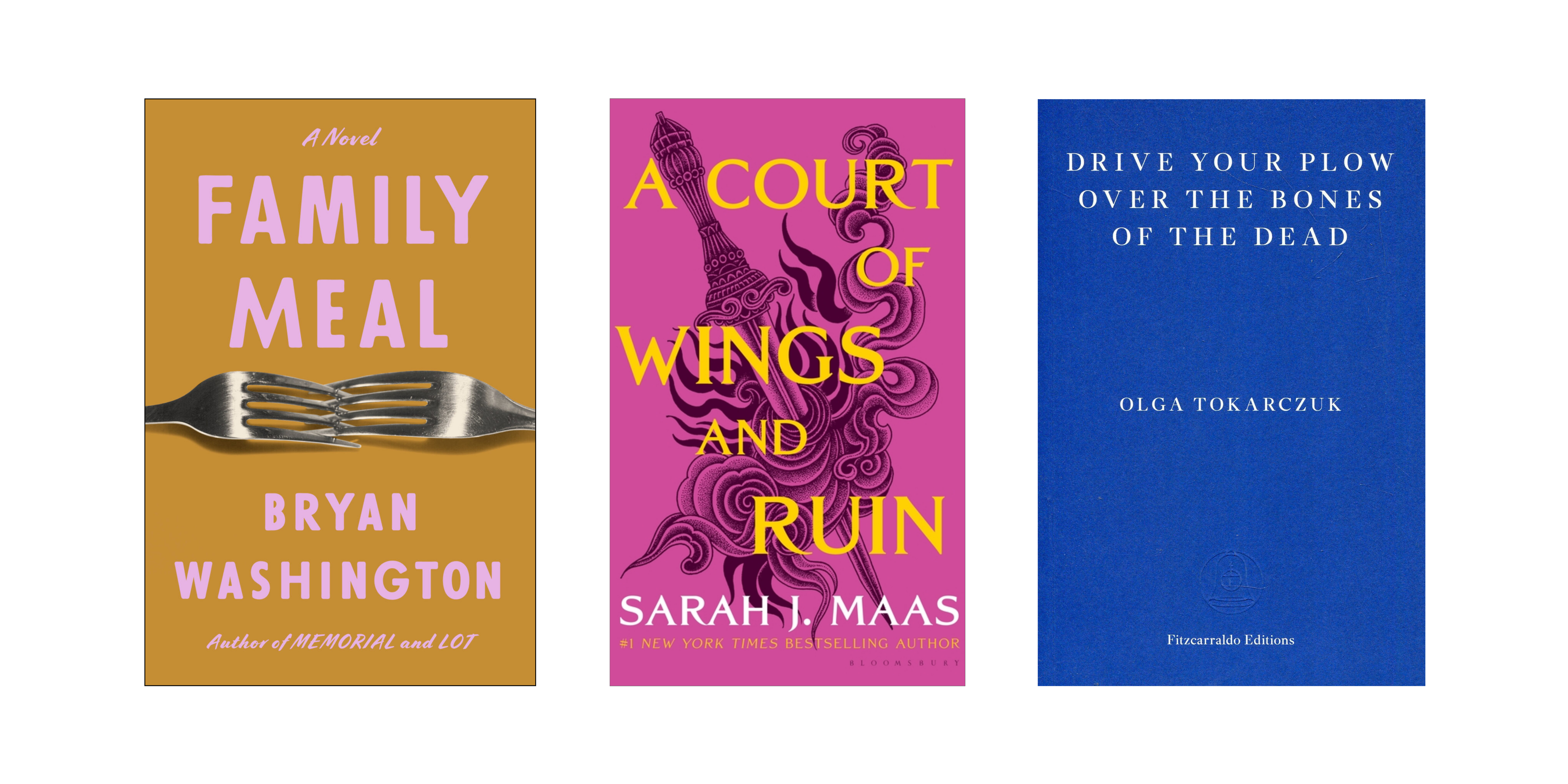
Cover images for Family Meal by Bryan Washington, A Court of Wings and Ruin by Sarah J. Maas, and Drive Your Plow Over the Bones of the Dead by Olga Tokarczuk

Family Meal — Bryan Washington

This was actually the last book I finished in August, and the first contemporary novel that I’d read in a long time—it’s been a big genre summer, as you’ve already seen! This is certainly a novel that will bring you back to the messy beauty of reality. When Cam returns home to Houston from LA after the murder of his boyfriend, he’s not expecting to move back in with his estranged childhood best friend, TJ. But TJ proves to be the lifeline Cam needs when his grief and self-destructive coping behaviors start to overwhelm, and Cam’s newfound presence might just be what TJ needs to reclaim the life he wants, too.

Family Meal is a book about grief, queerness, found family, sex, food, and the many ways our relationships with all of the above can get messed up and heal again with grace and love. This one might be a little more difficult for anyone sensitive to content about eating disorders, addiction, and self-harm, so as Washington’s opening note to the book says: “please be kind to yourself. And go at your own pace. There’s no wrong way to be, and the only right way is the way that you are.”

A Court of Wings and Ruin — Sarah J. Maas

I won’t get into plot details on this one because spoilers, but I will say it had book #5 levels of drama for only being book #3 in the series. Are these the best written books I’ve ever read in my life? Of course not. But the stakes are high, the pace is fast, the characters are hot and in love, and it was just so easy on a jet-lagged, post-work conference brain. I think book #2 is my favorite so far, but this was still a 10/10 reading experience. I’m curious to see where the story goes for book #5, especially knowing that it’s told from a different POV, but there was also enough of a resolution in this one that I feel okay with putting a pause on this series for another month or so.

Drive Your Plow Over the Bones of the Dead — Olga Tokarczuk, tr. Antonia Lloyd-Jones

When one sees a Nobel-prize winner in the Vienna outpost of Shakespeare & Co., one buys it!! The narrator of this strange book is the caretaker of a small community of mostly summer homes in the mountains of a remote Polish border town. When she’s not researching her neighbors’ birth charts or translating William Blake’s poetry, she can often be found advocating for the protection of local wildlife against the town’s hunting community.

Upon discovering that one of her eccentric neighbors has choked to death on the bone of a deer he illegally poached, our narrator becomes convinced that the animals are rising up and seeking justice against humans. When two more questionable deaths occur in the neighborhood, the reader is almost inclined to believe her. Part mystery, part slow-burn thriller, this book’s atmosphere stems largely from the narrator herself: rustic and pastoral but not quite cozy, an underlying tension and the suspicion of hidden secrets prevents the reader from getting too comfortable. This would be a great book to help you ease into fall and the onset of spooky reading!


SOLID SUPPORTS:

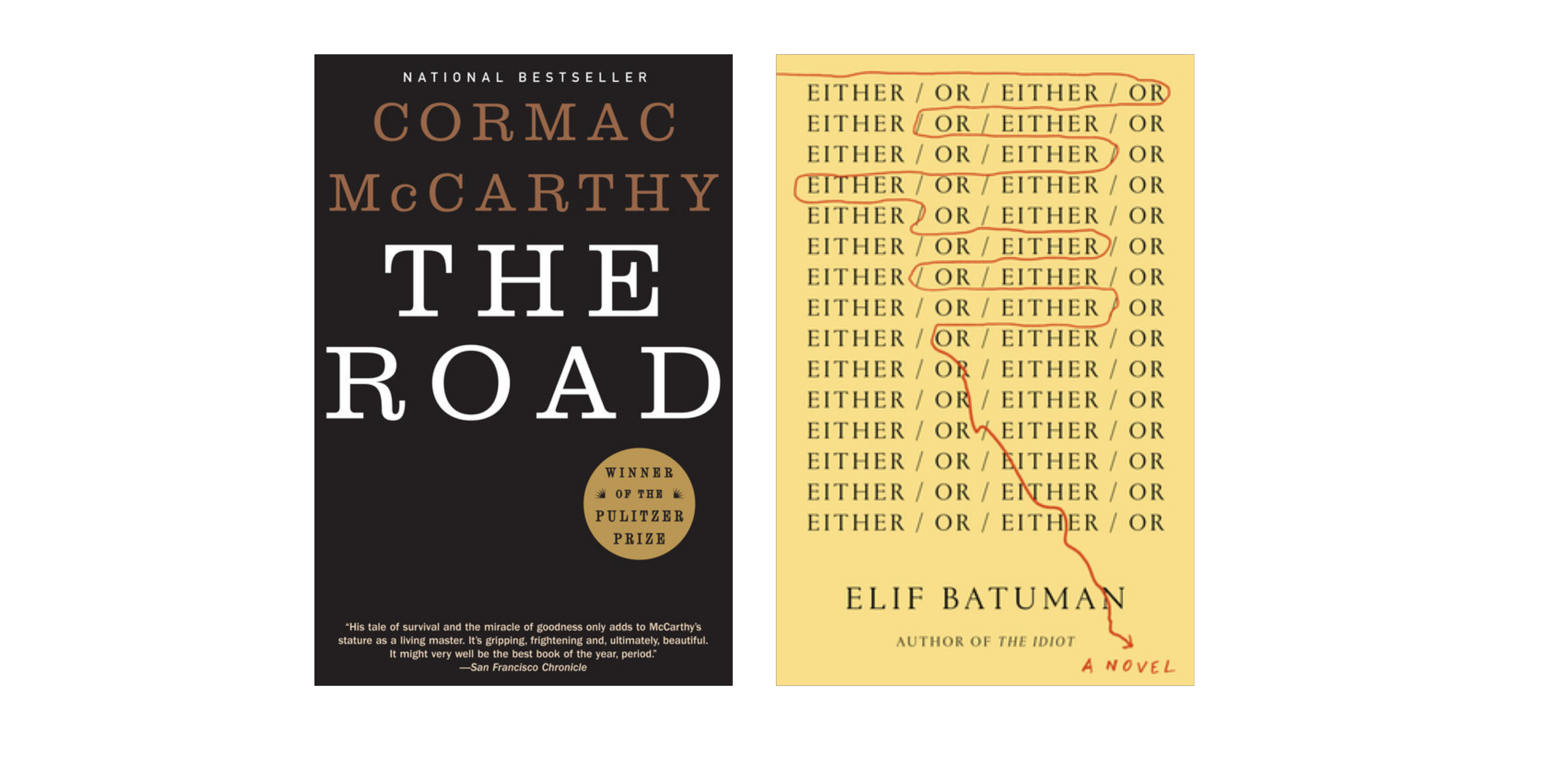
Cover images for The Road by Cormac McCarthy and Either/Or by Elif Batuman

The Road — Cormac McCarthy

I was not expecting this one to break my heart as much as it did!! The Road came highly recommended from a work friend who had recently read McCarthy’s entire oeuvre, and suggested this one as the best entry point to his work. The Road is a devastating novel about a father’s love for his son as they journey through post-apocalyptic America, surviving not for the promise of a better future—because there isn’t one—but simply for each other.

I was most impressed by McCarthy’s stark, spare prose and no-frills dialogue, how successfully it captured not only the hellscape they traveled through but also the intense, unspoken intimacy and vulnerability between the boy and his father. We don’t know their names or their ages, don’t know what happened to the world or what their life was like before the road, but we understand their secret hopes, fears, and defiant resilience with a rare, gut-wrenching clarity. I cried at the end! That should be endorsement enough.

Either/Or — Elif Batuman

I adored this sequel to Batuman’s The Idiot as much as I adored The Idiot, and am so glad we got to see Selin grow through this next chapter of her story. Now a sophomore at Harvard in 1996, Selin is still processing the strange roller coaster of emotions that last year’s situationship with Ivan sent her on, as she searches for meaning in his actions through the books he studied and through her own course reading list.

When her summer plans bring her to Turkey as a student travel writer, Selin’s coming of age begins in earnest, her travels taking her on adventures of varying success including equally varied encounters with men. An education in culture, sex, and of course, more literature, Selin finally comes into her confidence enough to start separating herself from the influences of the friends, family, writers, and philosophers that have defined her life so far. The former English major in me loved watching Selin experience the revelations of growing up and reconciling life with literature, choosing what to keep with her and what to leave behind, all in the timeless pursuit of living a life worth writing about.


THE TIPPY TOP:

Cover image for Catch the Rabbit by Lana Bastašić 

Catch the Rabbit — Lana Bastašić 

My sweet friend Monique honored me by borrowing my pyramid format earlier this year to review her best books of February and March, and selected Catch the Rabbit as her top choice. Obviously, I had to check it out.

The novel, translated into English from Serbo-Croatian by the author, follows a chaotic road trip undertaken by two childhood best friends, Sara and Lejla, who have not spoken to each other in nearly a decade. The story is divided into the present moment of their road trip, driving from Bosnia to Vienna to find Lejla’s long-lost brother, and the past, in which Sara narrates anecdotes that illustrate the progression of their friendship as children and the starring role Lejla played in Sara’s life and memories.

The author nails the strange familiarity of being around people you knew in childhood now as adults, that weird intimacy of knowing someone’s essence and history so completely and yet feeling like time and physical distance have made you strangers. She also impressively captures the slipperiness of memory, the way certain defining moments can be so supercharged with emotion that it overshadows the truth, creating entirely different versions of a memory for the people who share it.

Like Monique, I finished this book and immediately wanted to dive back in knowing what I had learned throughout the course of the book—which included a lot of history about the Bosnian War that I had simply never known anything about—and reexamine both Sara’s and Lejla’s memories and motivations in a different light. No spoilers, but it’s one of the most perfect endings I’ve read in a long time. Unsettling, emotionally intense, unresolved, and yet somehow it’s completely satisfying, because you realize there was no other way that this particular journey could end. It leaves you literally wanting—not for anything specific, but trapped in a paralyzing moment of desperation: an ache of absence, with the hope of fulfillment slipping through one’s fingers.


And that’s a wrap on my summer reading! I’ll be back in October ready to go full send into spooky reads, my favorite time of the year. Until then, let me know if you want to chat about these or any other books or give me some recommendations for the fall! It’s good to be back.

Until next time, happy reading!
❤ Catherine


Housekeeping note: all links go to my Bookshop storefront, where each purchase supports independent bookstores (and this newsletter, because I get a small percentage of each sale).

Summer Reading Szn

May in Review — Lit Chat Vol. 19

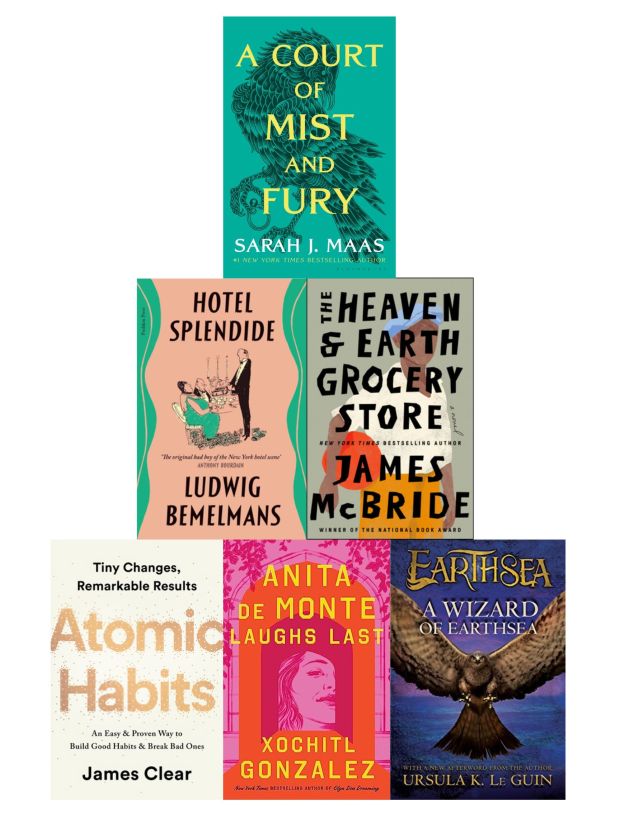
pyramid of book cover images with Atomic Habits by James Clear, Anita de Monte Laughs Last by Xochitl Gonzalez, and A Wizard of Earthsea by Ursula K. Le Guin on the bottom; Hotel Splendide by Ludwig Bemelmans and The Heaven and Earth Grocery Store by James McBride in the middle; A Court of Mist and Fury by Sarah J. Maas on top.

Hi friends,

It’s humid and sticky in Brooklyn, the cicadas are out in Chicago, and my favorite lavender lemonade is back at the Center For Fiction, which can only mean one thing: summer has officially arrived. While I do not work a job that enables me to take the summer off, spiritually, I am poolside at the Lake Forest Club eating chicken tenders and playing Bananagrams while I wait for a tennis lesson (real ones know).

This means that brainpower is at seasonal low, and since I’m also preparing for another travel-heavy summer, Lit Chat might take a lil break again in the next month or two! So if you don’t hear from me for a couple months, don’t worry, I’ll be back eventually. I’ve famously never been able to go too long without homework.

But for now, we still have the best part of summer to look forward to: summer reading! If you prefer to get this post straight to your inbox, remember to subscribe for my Substack here:

Let’s get into it, shall we?


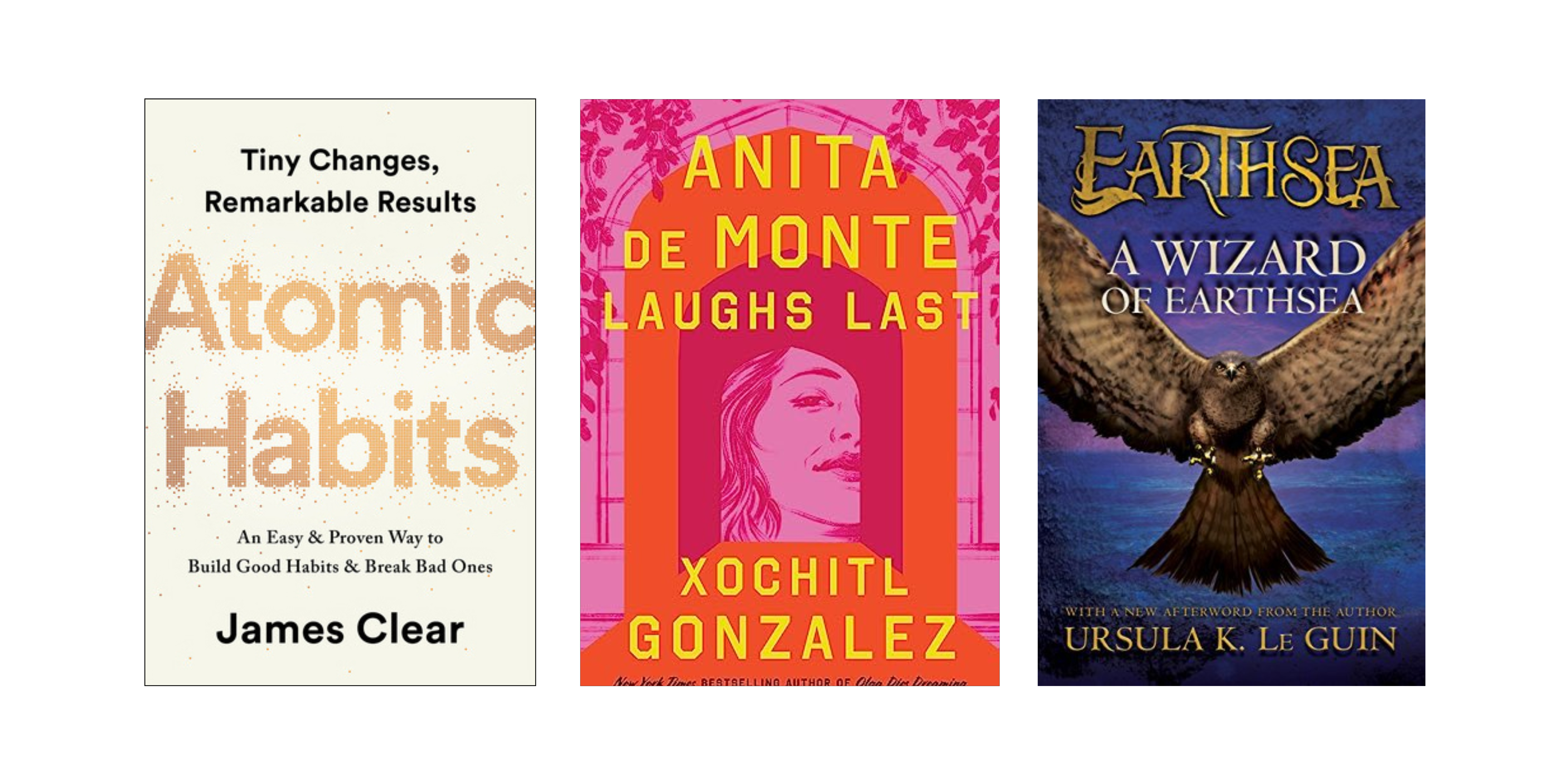
THE FOUNDATION:

Book cover images for Atomic Habits by James Clear, Anita de Monte Laughs Last by Xochitl Gonzalez, and A Wizard of Earthsea by Ursula K. Le Guin.

Atomic Habits — James Clear

I first put this book on hold at the library like six months ago, which checks out as that aligns with the New Year’s pressure to be a better version of myself whose routine does not consist solely of sourdough grilled cheeses and 100+ hours of Stardew Valley gameplay. By the time Atomic Habits got to me, though, I’d kicked my Stardew addiction and signed back up for ClassPass, so I was basically already a healthy habit queen. I also felt like I’d seen a lot of Clear’s tips and suggestions for habit-forming/routine creation regurgitated on TikTok already, so I didn’t get a whole lot out of the book that felt totally new to me. That said, this is still probably a solid place to start if you feel like it’s time for a lifestyle adjustment or a mental reframe, but need some help breaking that change down into more manageable pieces.

Anita de Monte Laughs Last — Xochitl Gonzalez

What intrigued me most about this novel was that I had seen it marketed as based on a true story: that of the Cuban-American artist Ana Mendieta, who died after “falling” out of the window of her 34th floor apartment in 1985. It’s apparent that Gonzalez borrowed heavily from Mendieta’s life to tell Anita de Monte’s story, as the details of Anita’s artwork and career, her tumultuous marriage to a well-known male sculptor, and her controversial death are lifted almost exactly from Mendieta’s life. I enjoyed the parallel story of a young art history student at Brown who rediscovers de Monte’s work while in a similarly difficult relationship, but I found it off-putting that the author does not properly credit or even mention Mendieta at all in the book beyond a dedication “For Ana.” For a book whose most prominent message is that women lose their power when they/their work are forgotten, something about this omission just didn’t sit right with me.

A Wizard of Earthsea — Ursula K. Le Guin

I had a couple of long flights this month and panicked when I realized the physical books I’d brought with me might prove insufficient (they did), so I downloaded the audiobook for A Wizard of Earthsea after being recommended it as a great starting place for Le Guin’s work many, many times. Audiobooks are a perfect distraction for my nerves while traveling, especially when they’re narrated by old British men who do all the voices like they’re reading me a bedtime story. At its core, A Wizard of Earthsea is a story about the power of words, a power that guides a young boy’s journey to learn enough magic to face the darkness inside of him. While I didn’t find it quite as immersive as some of the other fantasy worlds I’ve been craving lately, I do find it impressive that with its publication in 1967, Le Guin essentially managed to single-handedly rebrand the genre of fantasy as literature that could be accessible to all ages, not just kids. (Unrelated but forever relevant: Le Guin’s daily routine, which I think about probably once a day.)


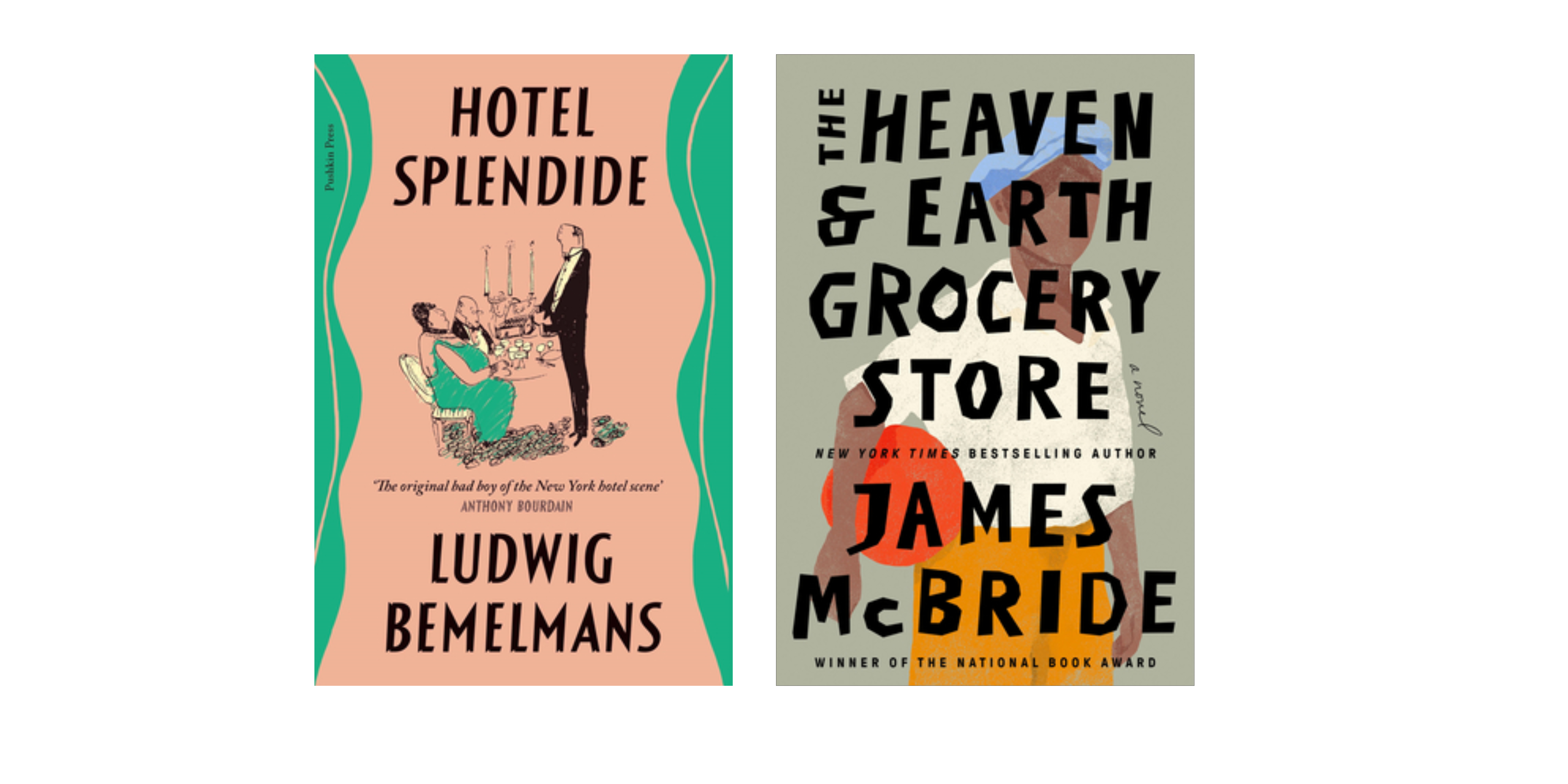
SOLID SUPPORTS:

Book covers for Hotel Splendide by Ludwig Bemelmans and The Heaven and Earth Grocery Store by James McBride

Hotel Splendide — Ludwig Bemelmans

I read the entirety of Hotel Splendide on a flight to San Francisco, and was wholly charmed by Bemelmans’ depiction of the New York hotel scene in the 1920s. Each chapter is a vignette from Bemelmans’ time working in an upscale hotel before his Madeleine fame, and his written descriptions of the hotel’s characters somehow match his drawing style exactly: slightly caricature-esque, but drawn with such vulnerability and a flair for absurdity that they feel immediately familiar and beloved.

What delighted me just as much as the truly ridiculous cast of characters (eccentric employees and neurotic guests alike) was the attention to detail and finery that just feels like it doesn’t exist anymore, or maybe only exists outside my tax bracket. The Hotel Splendide’s scrupulous commitment to five-star service was a sharp contrast to the sterility of my Hilton stay, where I checked myself in and out on my phone and the only time I spoke to someone was when the buffet attendant told me breakfast would be a flat $34. If given a choice between the two, I know where I’d rather stay.

The Heaven and Earth Grocery Store — James McBride

I read James McBride’s Deacon King Kong back in January 2023 and deeply admired the way he managed to portray the vibrancy of whole communities as richly as singular characters, weaving their stories together across decades and generations. McBride pulls off a similar feat in this novel, when the fates of the Jewish immigrant and African American communities living side by side in Chicken Hill, Pennsylvania in the 1930s become intertwined over the fate of a young deaf Black boy.

The story primarily follows the lives of Moshe and Chona, a Jewish couple who run the town’s dance hall and grocery store, respectively, and their Black hired helpers, Nate and Addie. When Nate and Addie’s nephew Dodo is delivered into an abusive mental institution at the hands of the town doctor, a vindictive KKK leader who resents the changes that decades of immigration have brought to Chicken Hill, it will take the entire community to bring Dodo to safety again. Each character has a role to play and a life as vividly realized as the next, all done with McBride’s signature humor, compassion, and empathy. The book begins and ends with a skeleton in a well, but this mystery takes a backseat to the daily dramas and intimacies of life in this uniquely engaging community.


THE TIPPY TOP:

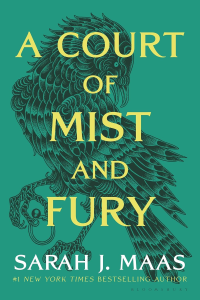
Book cover for A Court of Mist and Fury by Sarah J. Maas

A Court of Mist and Fury — Sarah J. Maas

Listen! Listen. No one was a more reluctant Sarah J. Maas convert than me, for no real reason except I saw “faeries” spelled like that and was like, “Ugh, another one of those? Do we need this?” The answer was yes, yes we do need this. After flying through ACOTAR last month, the next obvious choice was to fly through this sequel, which simply had all of the things I love to read about when I don’t feel like using my brain too much. We have enemies to lovers, magical strength training, a brooding, misunderstood hero, and a particularly delicious will-they-won’t-they-ohmygodjustdoitalready situation. And on top of that, there’s actually some pretty impressive worldbuilding going on!

No spoilers, but I love whenever fantasy books expand beyond the first glimpse of the world they give you in Book 1 (the Spring Court/Under the Mountain) to deliver a whole extended universe to accompany the smut (more Courts and new characters!), complete with history, lore, and most importantly, a danger strong enough to threaten everything we’ve fought for so far. Brb, praying my Libby app will deliver Book 3 ASAP before I forget everything that happened in Book 2.


That’s all for now! Signing off to focus on my summer reading (and lounging, mostly lounging), but if you ever want to chat about these or other books, you know where to find me.

Drawing of Madeleine and Pepito swimming in a pool. Text on the sun above says "Summer is for playing in the sun."
it’s here, this is where you’ll find me

Until next time, happy reading!
❤ Catherine


Housekeeping note: all links go to my Bookshop storefront, where each purchase supports independent bookstores (and this newsletter, because I get a small percentage of each sale).

Procrastination at Its Finest

August in Review — Lit Chat, Vol. 11

Book cover for R.F. Kuang's Yellowface centered and stacked on top of the book covers for Annie Ernaux's Les Annees, Tove Jansson's The Summer Book, and Genevieve Wheeler's Adelaide.

Housekeeping note: all links go to my Bookshop storefront, where each purchase supports independent bookstores (and this newsletter, because I get a small percentage of each sale).


Hey friends,

Happy Labor Day! This is going to be another quick & dirty Lit Chat Lite™ because I’m leaving for the airport again in approximately five hours and I haven’t finished packing or located my Kindle charger. If you see any typos, no you didn’t. Here we go!!

The Foundation:

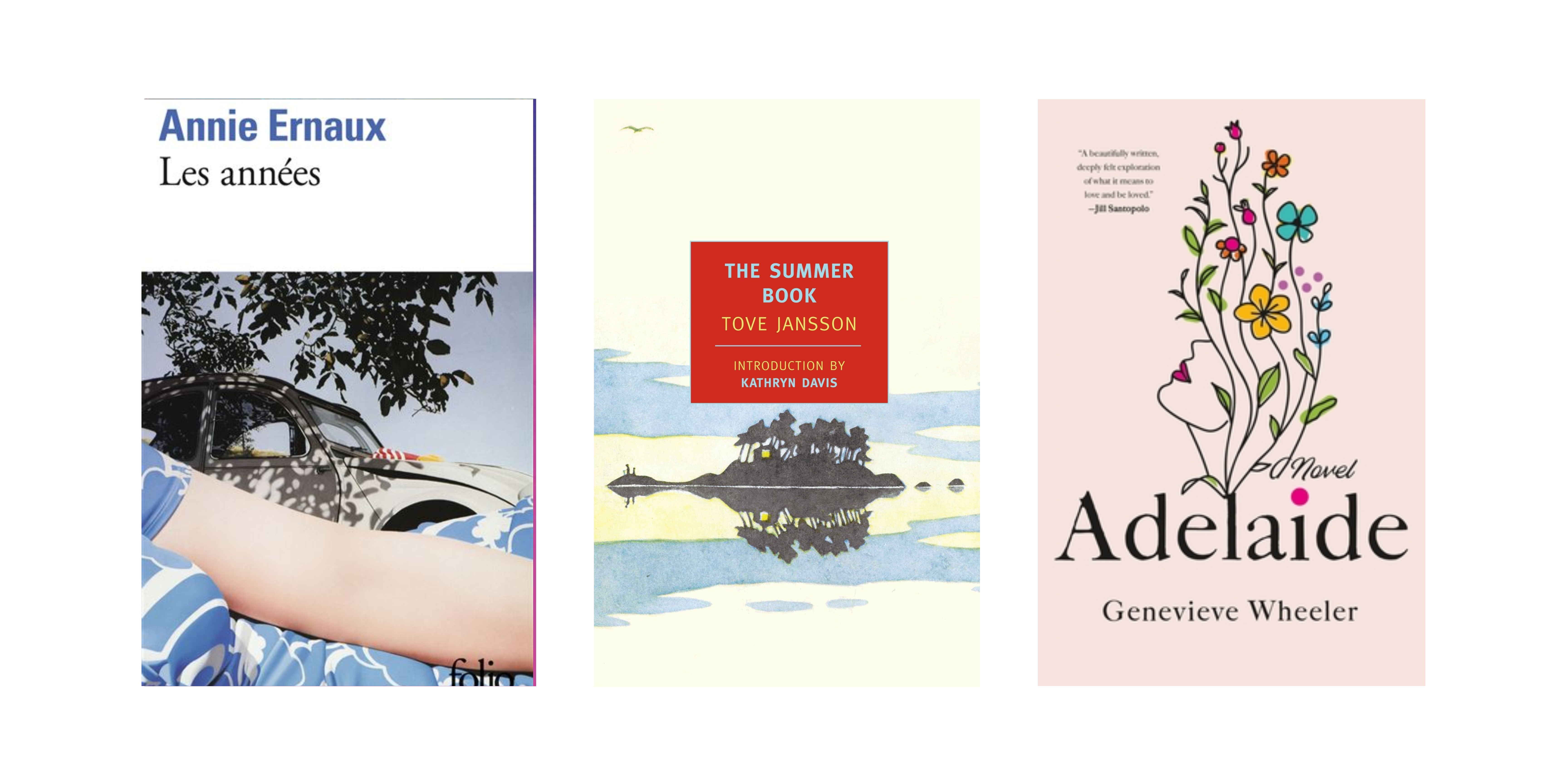
Book covers for Annie Ernaux's Les Annees, Tove Jansson's The Summer Book, and Genevieve Wheeler's Adelaide.

Les Années — Annie Ernaux

I mentioned last time that this sucker was taking me forever because I was determined to read it in the original French, and 3 1/2 weeks later, we did it, Joe! Les Années (The Years) is a fascinating narrative memoir that chronicles Ernaux’s life via a series of described photographs, starting as a child in the post-WWII era and moving through the decades into the present moment. She speaks of her memories in the third person and contextualizes each phase of her life against the backdrop of ongoing socio-political events and pop culture, including elections, protests, songs, and the emergence of new technology. It made me wish that I had read this book as part of one of my college French classes because my unfamiliarity with the details of French socioeconomic history combined with lots of new vocab made for slow reading and not a lot of absorption. One day, I’ll come back to this in English and find out just how much I missed.

The Summer Book — Tove Jansson

Most famous for her Moomin comics, Tove Jansson also wrote novels for adults that are positively delightful. The Summer Book is a collection of vignettes following the day-to-day adventures of a young girl and her grandmother as they spend their summers on a remote Finnish island. Even though this book is for adults, it’s the kind of book I would have loved as a kid, because it conveys such a strong sense of nostalgia for slower, simpler times and long days spent outdoors searching for magic under every rock and tree root. This is the perfect book to help you gently transition out of these last couple weeks of summer.

Adelaide — Genevieve Wheeler

This book hit home for me in a lot of ways, and I think it will for many of my friends as well, even though I wish it wouldn’t. Adelaide is a twenty-five-year-old American ex-pat in London who thinks she’s found her Disney prince, but her fairytale ending escapes her when he proves to be painfully unreliable and noncommittal. I found this book frustrating at times because it was difficult to watch Adelaide continue to bend over backward for someone who so clearly did not love her back, all while she clung to the romanticized version of the relationship to the detriment of her own mental health. My frustration with Adelaide came less from her character and more from the fact that I saw in her so many of my friends’ and my own misguided experiences growing up and learning to navigate adult relationships. This is a really candid and vulnerable look at love, mental health, and what it means to feel valued and worthy in a relationship, but it’s definitely not a light-hearted love story.

THE TIPPY TOP:

Book cover for R.F. Kuang's Yellowface.

Yellowface — R. F. Kuang

You might remember that I was not a huge fan of Kuang’s fantasy novel Babel when I read it back in April, but oh man, I flew through her newest contemporary novel. Yellowface is the story of white writer June Hayward, who after witnessing the freak death of her friend, the much more successful Asian-American author Athena Liu, decides to steal Athena’s unpublished manuscript about Chinese soldiers in WWI and pass it off as her own. As someone who has been adjacent to the trade publishing world for a long time, I devoured this darkly funny satire of the industry and its trends and biases.

The part of this story that struck me as most devastating, though, was June’s loneliness. As she goes from critical acclaim as publishing’s newest darling to being canceled and becoming social media’s villain of the day for months at a time, the only friend she ever mentions is the one who dies in the first chapter—and even that relationship we know to have been fraught with envy and resentment. She has no real, honest writing community to lean on or gut-check her, which explains her extreme need for validation from the greater literary world. None of this excuses her truly horrible behavior, but for those of us who are lucky enough to know the benefits of a creative community, it does help us pity her just a little bit in her downfall.


Okay gotta go finish packing, so until next time, happy reading chat later love you bye!!
❤ Catherine