

Hi friends,
There’s been a lot of newness in my life since I wrote you last, jam-packed into the shortest month of the year. I traveled to a new city I’d never visited before, I accepted a new job, and this past week, I turned a new age! All of the books I read in February were also relatively new: all six were published within the last ten years, and four of those were published within the past eight months.
I was about to say this is unusual for me, but in looking back over my past few newsletters, I realized my reading has been skewing pretty heavily contemporary recently. By the end of the month, I was definitely feeling a little burned out on “millennial literature,” which sounds painfully millennial of me but is, unfortunately, true.
Writing these newsletters has made me more aware of my big-picture reading habits, especially since a bunch of you have told me that you’ve gone on to read some of the books I’ve talked about here, which is very cool! I love hearing this! But it also turns the pressure on for me to make sure I’m reading widely enough that each newsletter has enough variety in it to potentially interest a broad range of other readers. This is, of course, making me a better reader as well, even if it means that the stack of contemporary novels about anxious white girls I currently have checked out from the library has to wait their turn.
All this is to say I will definitely be mixing things up more in March, but for now, onto the books! February was a short month and frankly, I had a lot going on, so no bonus tier this month. However, if you don’t care much about the bonus tier anyway and wish there was a more convenient way to read these posts, might I suggest subscribing to my Substack?
The Foundation:
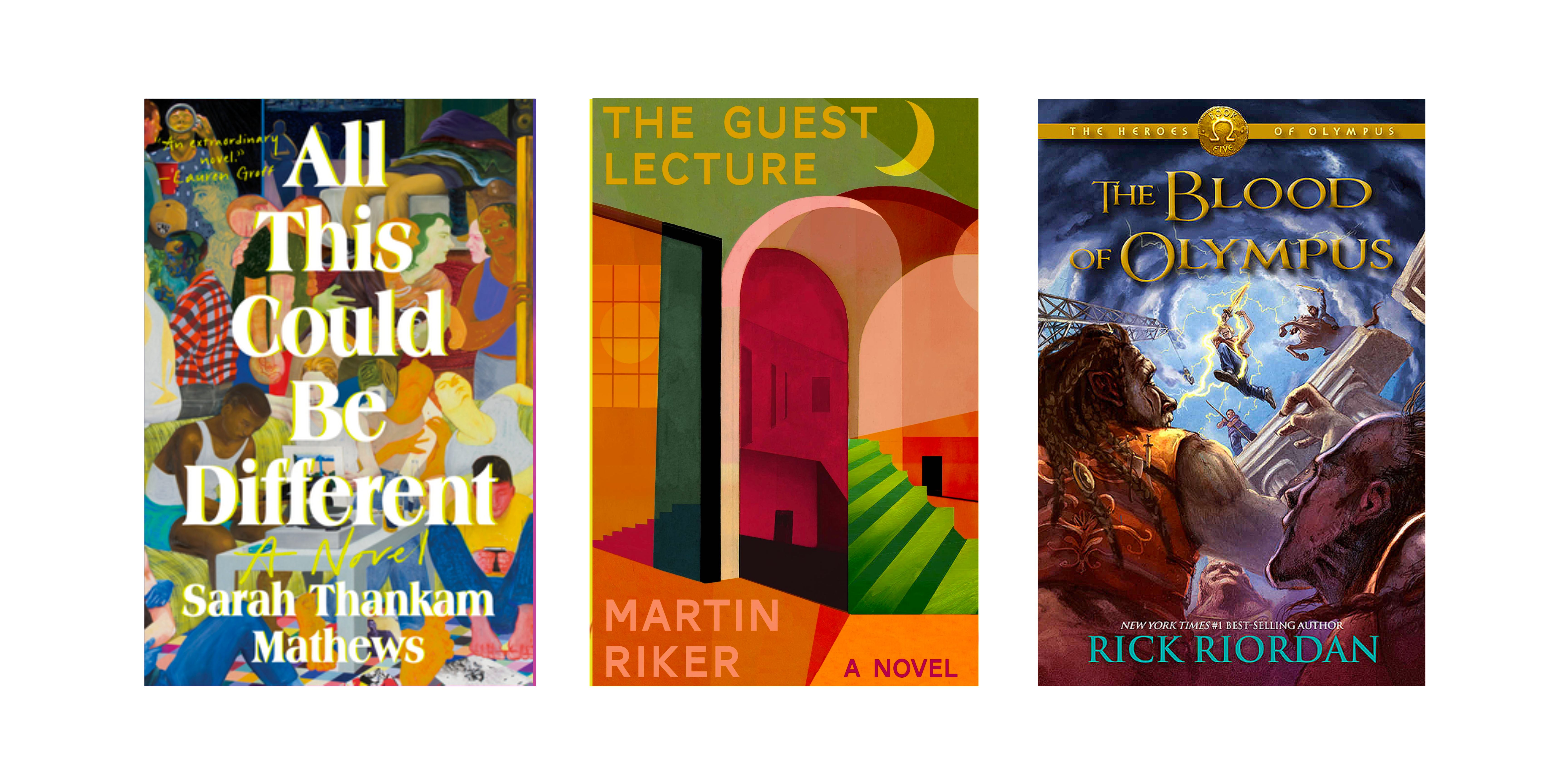
All This Could Be Different — Sarah Thankam Mathews
Another new experience for me: I think this is the first book I’ve ever read set in Milwaukee! Come to think of it, it might be the only book set in Wisconsin that I can think of having read, other than Ellen Raskin’s iconic The Westing Game. All This Could Be Different follows the errant escapades of its narrator, Sneha, a recent college grad turned change management consultant and self-professed wannabe slut. Sneha struggles under the weight of conflicting desires and identities as a young, queer immigrant trying to build a life for herself under the thumb of the 2008 recession, but her ultimate success is in the chosen family she creates for herself. A combination of old college friends, new Milwaukee connections, and romantic prospects of varying success is the true heart of this novel, steadfastly weathering each of Sneha’s inevitable meltdowns with saintly patience and generosity until she is able to redefine for herself what it means to feel at home.
The Guest Lecture — Martin Riker
Marty happens to be another former professor of mine, so it was a treat to hear him speak about his new novel at the Center For Fiction soon after its publication. Taking place over the course of one night, the book’s events never leave the mind of its insomniac protagonist, Abby, but what it lacks in plot it makes up for in mental movement. Abby is an economics professor who has been invited to give a talk on John Maynard Keynes the following day, despite her recent failure to receive tenure. Unable to sleep, she moves through the mind palace of her home to rehearse her speech, with imaginary Keynes himself in tow as a kind of mnemonic mentor. Without moving a muscle, we follow Abby and Keynes down the rabbit hole of her all-too-conscious mind, often getting lost in the kind of painful remembrances and existential crises that only seem to arise in the dark hours of the night, and ultimately re-emerge with relief and gratitude for the redemptive promise of a new day.
The Blood of Olympus — Rick Riordan
Real ones (consistent readers of the bonus tier) know that I’ve been slowly making my way through the Percy Jackson novels on audiobook since last summer. The Heroes of Olympus is the first of two spin-off series, which introduces a whole new cast of demi-god characters to join up with the original crew as they face their biggest threat yet: the terrible re-awakening of a vengeful Gaea, who seeks to overthrow the gods and restore total power for herself. The Blood of Olympus was the fifth and final book in this series, and what I loved most about it was getting to watch each of the characters grow up and into their own strength over the course of the five novels. I’m so delighted Mr. Riordan keeps churning these novels out because I will absolutely keep listening to them (even when they change narrators on me halfway through the series, which should be a jailable offense).
Solid Supports:
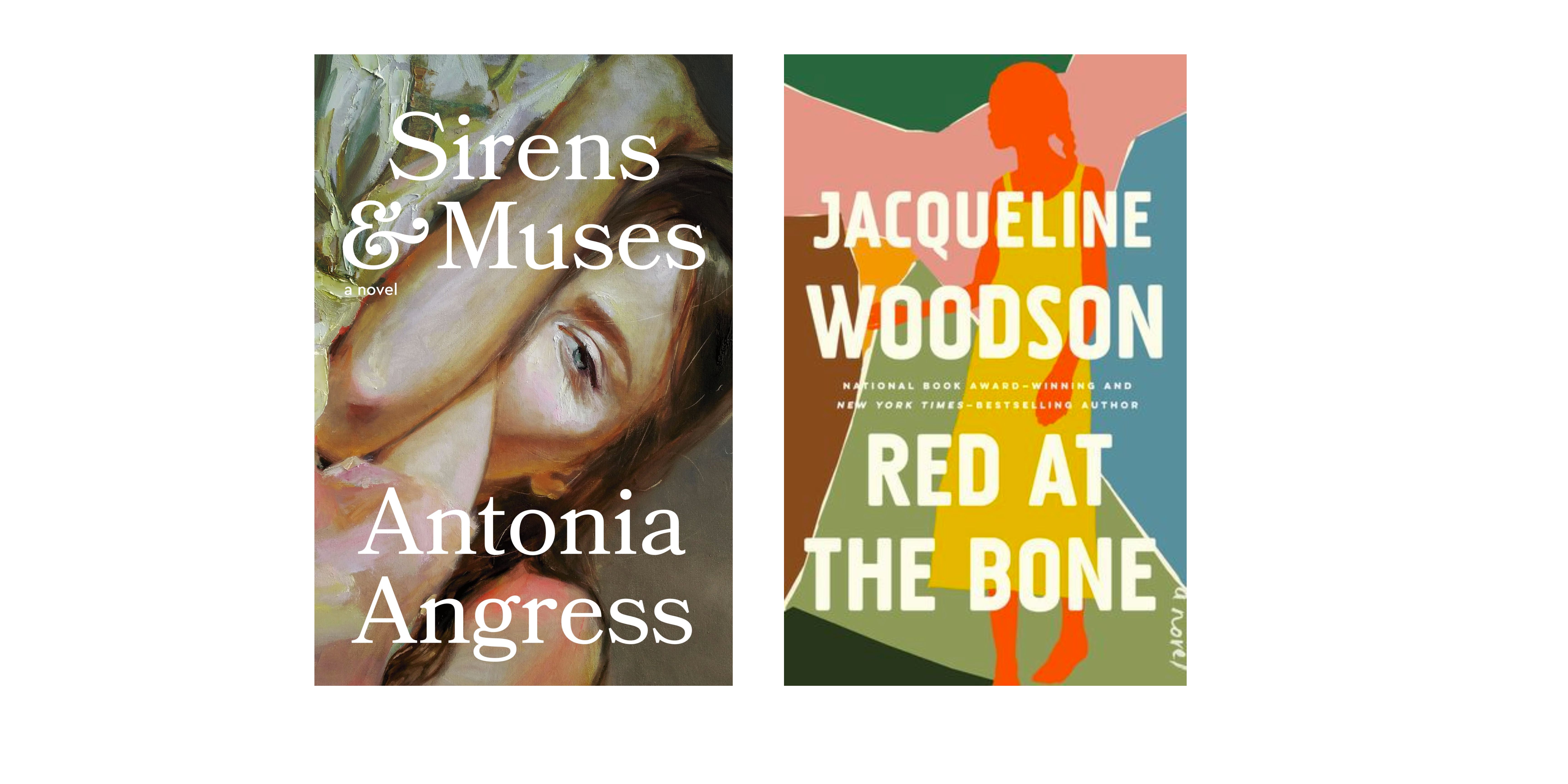
Sirens & Muses — Antonia Angress
Sirens & Muses features three of the things I love reading about most: college, art, and deliciously messy relationships. The novel alternates between the perspective of four artists—Louisa and Karina, random roommates and talented painters from vastly different economic backgrounds who become irrepressibly drawn to each other; Robert, a visiting professor of waning career success; and Preston, a douchey art bro chasing fame and notoriety. Each story is told with an equally rich sense of interiority, and the unique portrayals of each artist’s approaches to creation, innovation, and success amid 2011’s economic uncertainty were some of the book’s strongest points. Writing about art is something I simply don’t have the vocabulary for, which makes it all the more impressive when Angress does it in lush, evocative prose that contextualizes the tableau of her characters and their flaws within the instability of a world where definitions of wealth, culture, class, and success can change overnight.
Red at the Bone — Jacqueline Woodson
This book gave me goosebumps more than once while reading, and gave me more goosebumps now just from thinking about what I want to say about it. It’s the story of a Black family in Brooklyn told in turns from the perspective of a daughter, mother, father, grandmother, and grandfather as they celebrate the coming-of-age ceremony of sixteen-year-old Melody. Each chapter reveals a layer of family history, going back to ancestors who lived through the Tulsa massacre, Melody’s unplanned birth to her teenage parents in the 1980s, and Melody’s entry into adulthood as she debuts to an instrumental Prince track in 2001, never expecting that her world will be completely upended in a few months’ time. The depth and brevity with which each chapter opens and closes a window into a time, place, and moment in life so integral to each character’s personhood yet so preciously finite was brilliant and moving, examining questions of family, history, and identity through the most fraught and unfaltering of lenses: love.
THE TIPPY TOP:
Tomorrow and Tomorrow and Tomorrow — Gabrielle Zevin
My expectations for this book were high, considering everybody and their mother seemed to have a hold on it at the BPL, and everyone I knew who had been lucky enough to get their hands on it had sung its praises. Reader, it did not disappoint.
Tomorrow and Tomorrow and Tomorrow is about two childhood friends, Sadie and Sam, who grow up playing video games together and reconnect in college to start developing games themselves. As the company they form with Sam’s college roommate catapults them into success, the book follows the way that success changes the nature of their friendship and creative partnership. You don’t have to know anything about video games to feel immersed in this book, because Zevin makes the experience of each game and the making of it feel so real and vivid that it becomes another extension of the characters’ lives: richly populated, painfully vulnerable, and brimming with potential.
Right after I finished, I met some readers who had lukewarm reactions to the book (although they struck me as people who enjoy disliking popular things). Their qualm was that they preferred the more YA-esque early chapters of the book to the tumultuous later chapters, but the mess of the latter was exactly what I loved. In spanning more than a decade of these characters’ lives, it showed an authentic portrayal of growth in early adulthood—both within yourself and between you and the people you love the most. I liked that Sam and Sadie butted heads over making games that felt true to them as individuals and as artists, and I appreciated that they took time apart from each other to find fulfillment of their own. Even people who seem fated to forever be part of each others’ lives can have seasons of closeness and distance. What’s beautiful is the underlying constant of friendship, built on shared understanding and experience, that promises no matter what, no matter when, a part of me will always belong to you.
Thanks as always for reading! If you’re on the fence about subscribing to my Substack, consider the fact that you’ve made it this far a sign for you to do so:
And of course, please feel free to send any recommendations or reactions my way! The inbox and comments section are always open, and I always love to chat.
Until next time, happy reading!
❤ Catherine

 Catherine Thoms